Benzoyl Peroxide
Family Benzoyl peroxide
Using it with other products
-
Use at different timeswith Retinoids (vitamin A)
Benzoyl peroxide, used in products for breakouts, is an oxidizer (it reacts with other ingredients and can break them down). It is known to break down some retinoids, such as prescription tretinoin, when both are on the skin together; adapalene, found in some breakout gels, is an exception and stays stable. Both can also dry and irritate the skin.
Use them at different times of day, for example benzoyl peroxide in the morning or as a rinse-off wash, and the retinoid at night. If you are pregnant or breastfeeding, ask your doctor before using retinoids.
Dry or sensitive skin may need to start each one slowly; for ongoing breakouts, see a dermatologist.
More on Retinoids + benzoyl peroxide →Written by the Glowpedia team · How we write our guides
-
Use at different timeswith Vitamin C
Benzoyl peroxide, used in products for breakouts, is an oxidizer (it reacts with other ingredients and can break them down), and vitamin C is especially easy to break down this way. Used together, benzoyl peroxide may use up some of the vitamin C so it does less, and both can irritate.
Use them at different times of day, for example vitamin C in the morning and benzoyl peroxide at night, or use benzoyl peroxide as a rinse-off wash.
Dry or sensitive skin may find this pair drying; for ongoing breakouts, see a dermatologist.
More on Vitamin C + benzoyl peroxide →Written by the Glowpedia team · How we write our guides
-
Careful togetherwith AHAs (alpha hydroxy acids), BHA (salicylic acid), Sulfur
Benzoyl peroxide, salicylic acid, other exfoliating acids and sulfur are all used in products for breakouts, and all can dry the skin. They are often used in the same routine, but stacking them can lead to dryness, peeling and irritation.
Add one product at a time and use the second only a few times a week at first; using one of them as a rinse-off cleanser can help.
Oily skin often tolerates this better than dry or sensitive skin, which may need a moisturizer; for ongoing breakouts, see a dermatologist.
More on Benzoyl peroxide + exfoliating acids or sulfur →Written by the Glowpedia team · How we write our guides
-
Great togetherwith Ceramides and barrier lipids, Hyaluronic acid, Humectants (water-binding), Panthenol (vitamin B5)
Exfoliating acids and benzoyl peroxide can leave skin dry or tight. Ceramides, hyaluronic acid, other humectants (which draw water into the skin) and panthenol help keep skin hydrated and comfortable, which can make these actives easier to keep using.
Apply a moisturizer after the acid or benzoyl peroxide has dried, morning and night.
Oily skin can choose a light, oil-free moisturizer; dry skin may need a richer cream.
More on Acids or benzoyl peroxide + moisturizing ingredients →Written by the Glowpedia team · How we write our guides
Often in the same formulas
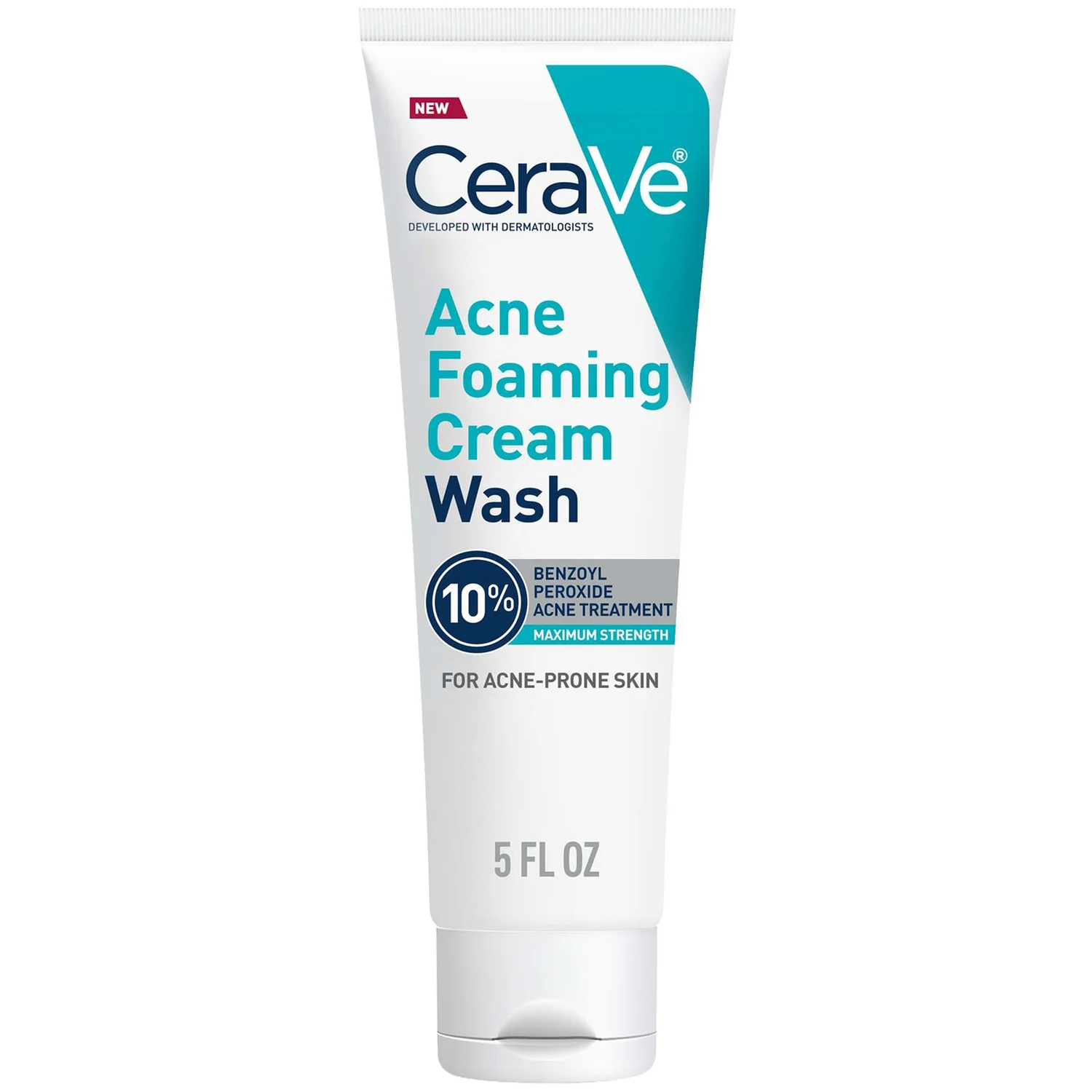
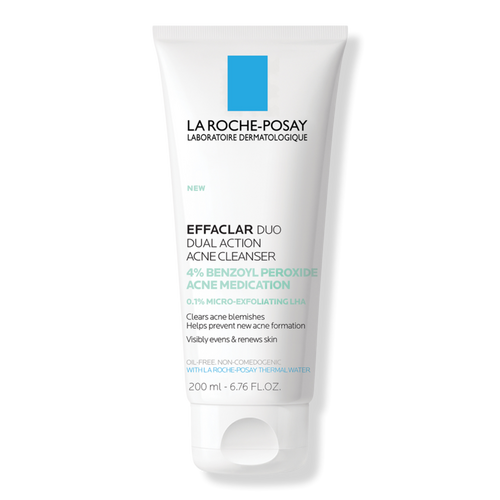
Products with Benzoyl Peroxide
8 quick questions give you your skin type and a morning and night routine, with products that fit your budget.
Take the 1-minute skin quiz →