Skin purging vs breakout: how to tell, and how long purging lasts
Is your skin purging or breaking out? Which ingredients cause purging, how long it lasts, how to tell it from a reaction, and what to do in the meantime.
Written by the Glowpedia team · Based on 4 medical sources · How we write our guides
On this page
You start a retinoid or an acid toner, and a week later your skin has more spots than before. Is the product working, or is it the wrong product for you? "Skin purging" is the name for the first case. It is not a formal medical term, but the effect is real and written on drug leaflets: some acne treatments make acne look worse before it gets better.
Quick answer: Purging happens only with ingredients that speed up skin renewal (retinoids such as adapalene, tretinoin and retinol, exfoliating acids, peels). It shows as small spots in your usual breakout areas and usually settles within 4 to 6 weeks. New spots in places you never break out, itching, burning or a rash point to irritation or an allergy instead: stop the product.In a hurry? See the 3 products we picked
What skin purging is
Clogged pores take weeks to form under the skin before they show. Ingredients that make skin cells turn over faster push those hidden clogs to the surface sooner. So for a few weeks you see the spots that were already coming, all at once.
The drug leaflets say it plainly:
- Adapalene: MedlinePlus says acne may worsen during the first weeks of treatment.
- Tretinoin: MedlinePlus says acne may get worse during the first 7 to 10 days, with redness, scaling and more acne sores, and advises continuing.
Which ingredients can cause purging
| Can cause purging | Does not cause purging |
|---|---|
| Retinoids: adapalene, tretinoin, retinol, retinal | Moisturizers, oils, sunscreen, makeup |
| Exfoliating acids: salicylic acid, glycolic acid, lactic and mandelic acid | Hyaluronic acid, niacinamide, ceramides |
| Chemical peels | Cleansers without actives |
| Sometimes benzoyl peroxide in the first weeks | Snail mucin, centella and other soothing ingredients |
If a moisturizer, sunscreen or foundation gives you new spots, that is not purging: the product may be clogging your pores or irritating your skin.
Purging or breakout? How to tell
| Purging | Breakout or reaction | |
|---|---|---|
| Product | A retinoid, acid or peel | Anything, often a rich cream, oil or makeup |
| Where | Your usual breakout zones | New places where you rarely break out |
| What it looks like | Small bumps, blackheads, whiteheads, some red spots | Spots plus itching, burning, rash, swelling or hives |
| Speed | Spots come and go faster than usual | Spots keep appearing as long as you use the product |
| How long | Usually gone in 4 to 6 weeks | Does not settle until you stop |
How long skin purging lasts
Skin renews itself roughly every four weeks, and dermatologists quoted in consumer guides usually say purging should be over within 4 to 6 weeks. The improvement itself takes longer: MedlinePlus says full results from adapalene may take 8 to 12 weeks or more.
If spots are still getting worse after 6 weeks, it is not purging any more. See a dermatologist, who may change the product, the strength or how often you use it.
How to get through a purge
- Keep going, but slowly. Use the active every second or third night instead of stopping completely, then build up.
- Keep the rest of your routine boring: gentle cleanser, simple moisturizer, sunscreen. No new products for now.
- Do not add more drying products. Stacking spot treatments, scrubs and acid toners on a purge adds irritation.
- Do not squeeze. Picking makes spots last longer and can leave dark marks or scars.
- Hydrocolloid patches can protect a spot you keep touching; see pimple patches.
- Take photos every two weeks in the same light to see real progress.
How to avoid a big purge
- Start a retinoid every second or third night for two to four weeks.
- Start acids once or twice a week.
- Introduce one new active at a time, about four weeks apart.
- Use a pea-sized amount of retinoid for the whole face.
Stop and see a doctor if
- Your skin burns, blisters, swells or itches.
- You get hives or swelling of the lips, eyes or face (get urgent help).
- Painful lumps or cysts appear, or spots leave scars.
- Things keep getting worse after 6 weeks.
Products to try
Ready to try it? Start with one product and add the next when your skin or hair is used to it. Tap a button to see today's price and reviews on Amazon.

Hydrocolloid patches that cover a spot and keep fingers off it.
Check price on Amazon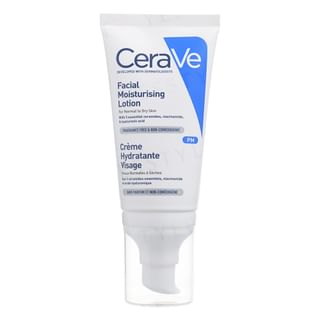
A simple, light moisturizer while your skin adjusts.
Check price on Amazon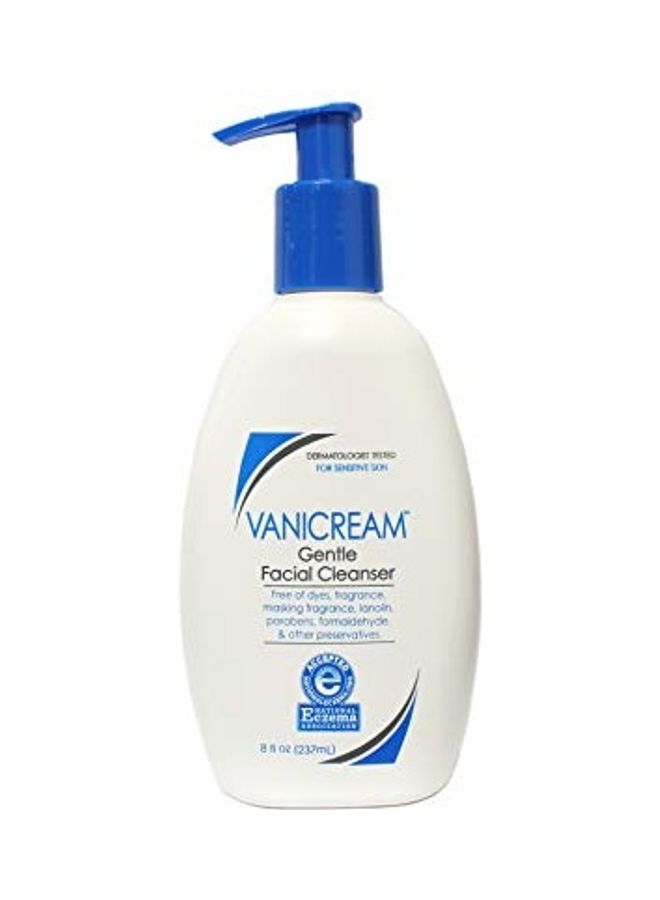
A very mild cleanser with no fragrance or dyes.
Check price on AmazonPicked from experts' and beauty editors' recommendations, not tested by us. We may earn a commission if you buy through these links, at no extra cost to you.
FAQ
Does niacinamide or vitamin C cause purging?
They do not speed up skin turnover the way retinoids do, so new spots from them are more likely irritation or a product that does not suit you.
Can moisturizer cause purging?
No. If a moisturizer gives you spots, it may be too rich for your skin. Try a lighter, non-comedogenic one.
Should I stop my retinoid if I am purging?
Usually no. Reduce how often you use it instead. Stop if you have burning, rash or swelling.
Does everyone purge?
No. Many people never notice it, especially when they start slowly.
Sources
- Adapalene (MedlinePlus, US National Library of Medicine)
- Tretinoin topical (MedlinePlus, US National Library of Medicine)
- Topical retinoids (DermNet)
- Skin purging: what it is and how long it lasts (Healthline, medically reviewed)