Ceramides: what they do for your skin barrier and how to use them
Ceramides are the fats that hold your skin barrier together. What they do, who needs them, how to read ceramide NP, AP and EOP on a label, and how to use them.
Written by the Glowpedia team · Based on 3 medical sources · How we write our guides
On this page
Ceramides are why some moisturizers make dry, tight or irritated skin feel normal again. They are not a trend ingredient: they are part of your skin. When there are not enough of them, water escapes, and irritants get in more easily. Adding them back from a cream is one of the simplest ways to help a damaged skin barrier.
Quick answer: Ceramides are natural fats (lipids) between your outer skin cells, like the mortar between bricks. They help skin hold water and keep irritants out. A moisturizer with ceramides suits dry, sensitive, eczema-prone and over-exfoliated skin, and pairs well with retinoids and acne treatments. Apply it to damp skin, morning and night.In a hurry? See the 4 products we picked
What ceramides are
Your outer skin layer is often described as a brick wall. The skin cells are the bricks; a mix of fats fills the gaps. Ceramides are a large part of that mix, together with cholesterol and fatty acids. Cleveland Clinic describes ceramides as making up about half of this outer layer's makeup.
When that "mortar" is low or damaged, skin:
- loses water faster, so it feels tight and dry,
- reacts more to products, wind and cold,
- can sting with products that never bothered it before.
Ceramide levels can drop with age, harsh cleansing, over-exfoliation and in skin conditions such as eczema.
What ceramides do in skin care
- Help skin hold moisture, especially when paired with water-binding ingredients.
- Support the barrier after irritation from retinoids, acids or acne treatments.
- Make actives easier to tolerate. Many dermatologists suggest a ceramide moisturizer alongside adapalene or benzoyl peroxide.
They will not clear acne or fade dark spots on their own. Think of them as support, not treatment.
How to spot ceramides on a label
Ceramides have letter codes on ingredient lists. The most common on Glowpedia:
| Label name | Also called | Products on Glowpedia |
|---|---|---|
| Ceramide NP | Ceramide 3 | Most common |
| Ceramide AP | Ceramide 6-II | Common |
| Ceramide EOP | Ceramide 1 | Common |
| Phytosphingosine | A ceramide building block | Often next to ceramides |
| Cholesterol | Barrier lipid | Often in "barrier" creams |
You can browse every product with ceramides in the ceramides and barrier lipids family.
Tip: many formulas list ceramides near the end of the list. That is normal; they are used at low amounts. A product built around the barrier usually combines ceramides with cholesterol, fatty acids and a humectant such as glycerin.
Who benefits most
| Skin | Why ceramides help |
|---|---|
| Dry or tight skin | Less water loss, softer skin |
| Eczema-prone skin | Eczema involves lower ceramide levels; moisturizing daily is part of care |
| Sensitive or stinging skin | A calmer, better-protected barrier |
| Using retinoids or acne treatments | Less dryness and peeling |
| Over-exfoliated skin | Helps the barrier recover while you pause actives |
| Oily skin | Light ceramide lotions or gels work too; oily skin can be dehydrated |
How to use ceramides
- Cleanse gently with a non-stripping cleanser.
- Apply moisturizer to damp skin. Cleveland Clinic suggests applying within about three minutes of washing or showering to lock in water.
- Layer with a humectant like hyaluronic acid or glycerin first if your skin is very dry.
- Morning and night. In the morning, finish with sunscreen.
- With retinoids: the "sandwich" method works well: ceramide cream, then the retinoid, then a little more cream.
Ceramides work with almost everything: niacinamide, vitamin C, retinoids, acids. There is no known bad pairing.
Side effects
Ceramides are very well tolerated, because they are already part of skin. If a ceramide cream stings or breaks you out, the cause is more likely another ingredient in it, such as fragrance or a heavy oil. Choose fragrance-free formulas if your skin is sensitive.
Products to try
Ready to try it? Start with one product and add the next when your skin or hair is used to it. Tap a button to see today's price and reviews on Amazon.
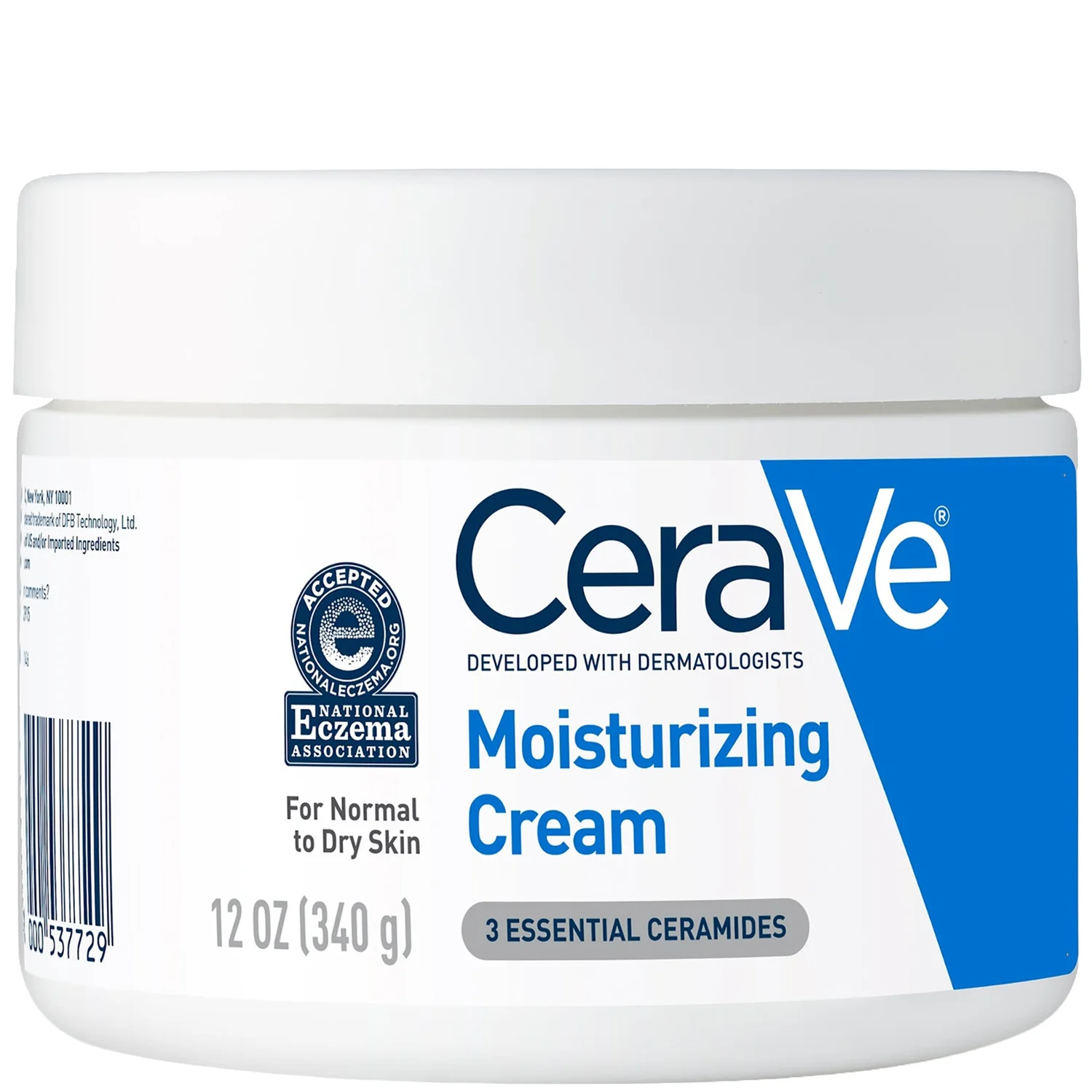
A fragrance-free cream with ceramides and hyaluronic acid.
Check price on AmazonA rich ceramide cream.
Check price on Amazon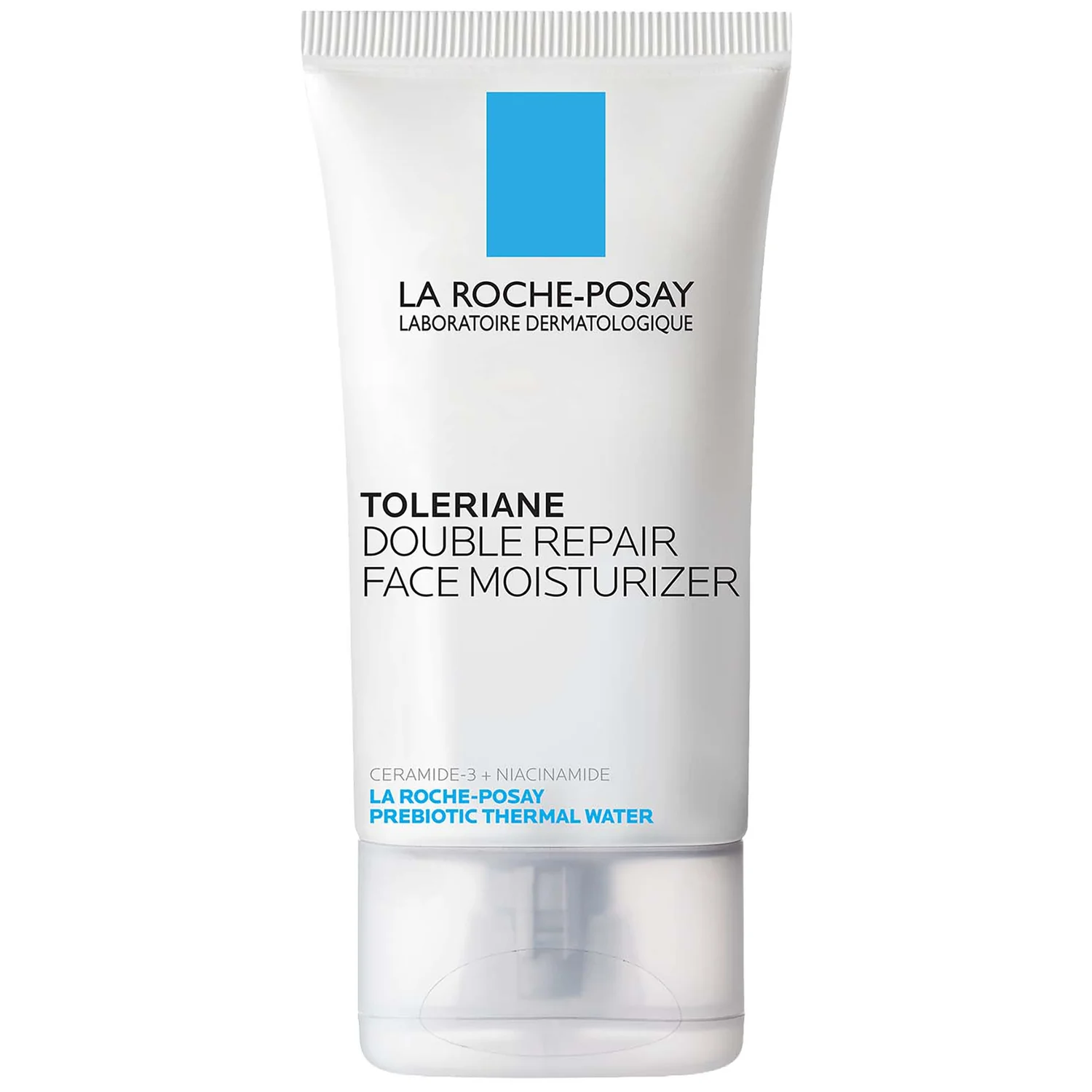
A light moisturizer with ceramides and niacinamide, no fragrance.
Check price on Amazon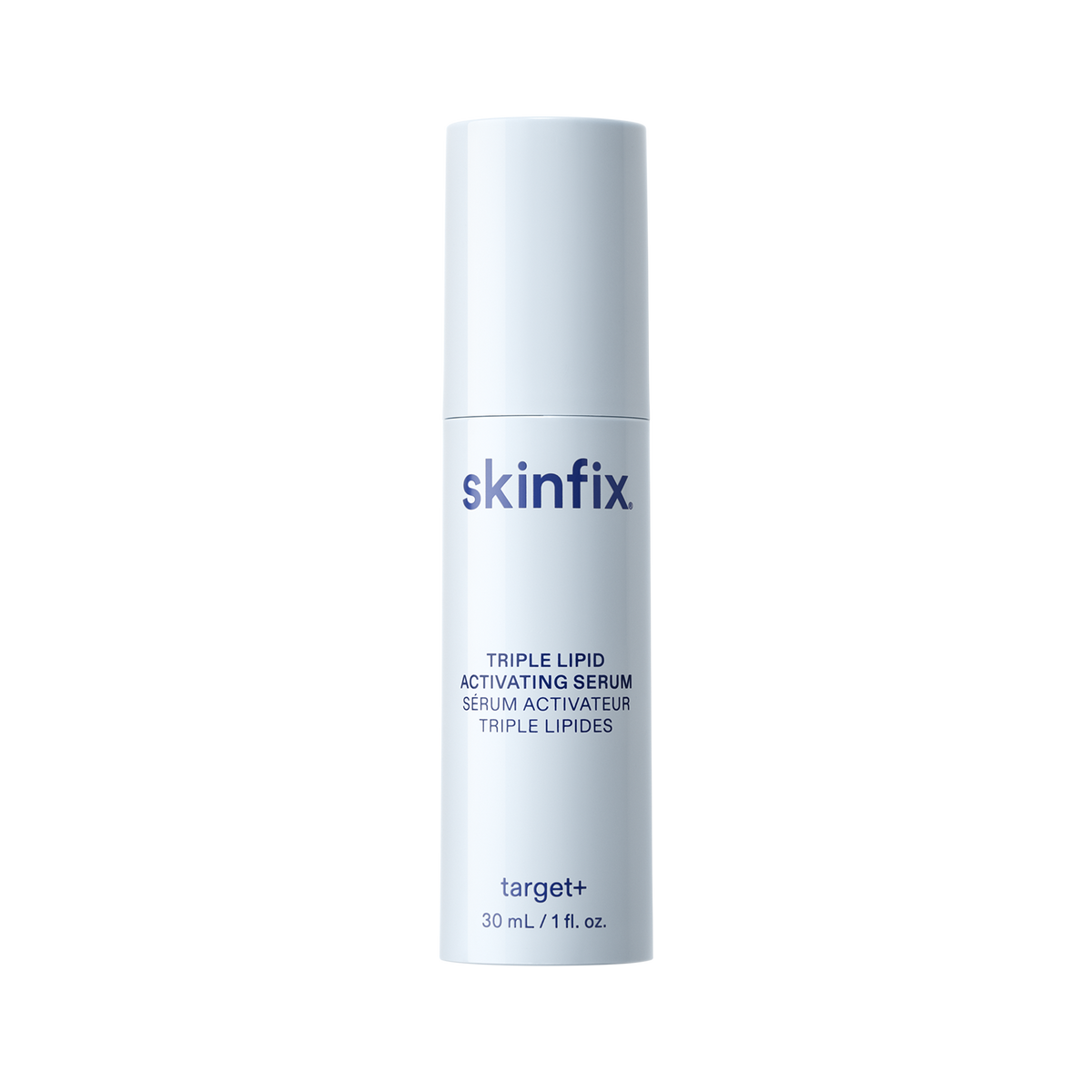
A light serum with ceramides, cholesterol and niacinamide to wear under moisturizer.
Check price on AmazonPicked from experts' and beauty editors' recommendations, not tested by us. We may earn a commission if you buy through these links, at no extra cost to you.
FAQ
Are ceramides good for oily or acne-prone skin?
Yes. Choose a light lotion or gel-cream labelled non-comedogenic. Acne treatments dry skin, and ceramides help you keep using them.
Ceramides or hyaluronic acid?
They do different jobs. Hyaluronic acid draws water in; ceramides help keep it there. Many moisturizers have both.
Can I use ceramides every day?
Yes, twice a day if you like. They are meant for daily use.
Do ceramides help glass skin?
A strong barrier makes skin look smoother and more even, which is the base of the glass skin look.
Sources
- Ceramides: what they do for your skin (Cleveland Clinic)
- Atopic dermatitis: skin care (American Academy of Dermatology)
- Dermatologists' tips to relieve dry skin (American Academy of Dermatology)