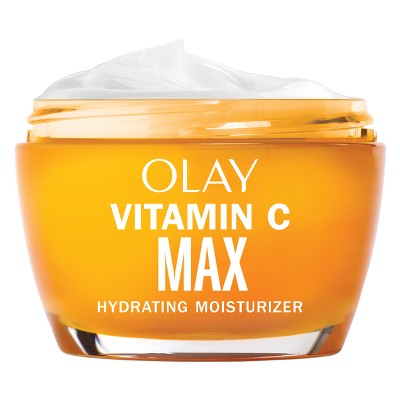
Olay Regenerist Vitamin C + Peptide 24 MAX Face Moisturizer - 1.7oz
☆ Be the first to rate itPregnant or breastfeeding? Check this product
✓Nothing to avoid found
- AHA / PHA acids Lactic Acid
Glycolic, lactic and other mild acids in everyday products are considered fine. Postpone strong peels.
✓Nothing to avoid found
- AHA / PHA acids Lactic Acid
Mild acids in everyday products are considered fine while breastfeeding.
Tip: keep skin care off the nipple and areola, and wash it off before feeding if it touched the breast.
Based on the full ingredient list and published guidance: MotherToBaby: topical acne treatments · MotherSafe: skin and hair care · InfantRisk Center: skin care in pregnancy · NIH LactMed: hydroquinone. General information, not medical advice: check with your doctor, midwife or pharmacist, especially for prescription treatments.
Where it costs less
Size: 1.7oz
Prices from each store's own page, last checked 13 d ago. Prices change: the store's page has the final price. "≈ / oz" means the size is in grams.
As an Amazon Associate and iHerb partner, Glowpedia earns from qualifying purchases at no extra cost to you. Amazon prices are shown only when checked in the last 24 hours, are accurate as of the time shown and may change: the price on Amazon at the time of purchase applies.
What Glowpedia visitors think
Ingredients (26)
Listed from the largest amount to the smallest (below 1%, brands may list them in any order). Tap one to learn more.
- First five: the main ingredients
The list as printed by the brand
WATER/EAU, GLYCERIN, ISOHEXADECANE, NIACINAMIDE, DIMETHICONE, LACTIC ACID, ISOPROPYL ISOSTEARATE, SODIUM POLYACRYLOYLDIMETHYL TAURATE, STEARYL ALCOHOL, 3-0-ETHYL ASCORBIC ACID*, PALMITOYL PENTAPEPTIDE-4**, PALMITOYL DIPEPTIDE-7**, PANTHENOL***, TREHALOSE, DIMETHICONOL, CETEARYL GLUCOSIDE, CETEARYL ALCOHOL, STEARIC ACID, PALMITIC ACID, CETYL ALCOHOL, BEHENYL ALCOHOL, SODIUM LACTATE, PEG-100 STEARATE, TITANIUM DIOXIDE, SODIUM BENZOATE, FRAGRANCE/PARFUM [*Vitamin C, * *Peptide, * * *Pro-Vitamin B5]
Using it with your other products
Based on its key actives: Niacinamide (vitamin B3), AHAs (alpha hydroxy acids), Vitamin C, Peptides.
-
Use at different timeswith Retinoids (vitamin A)
Retinoids (vitamin A) and exfoliating acids both speed up the shedding of old skin cells. Using them in the same routine can add up to redness, peeling and stinging, especially while your skin is still getting used to the retinoid.
Use them on different nights, or the acid in the morning and the retinoid at night. If you are pregnant or breastfeeding, ask your doctor before using retinoids.
Dry or sensitive skin may do best with the acid only once or twice a week; oily skin often tolerates more.
More on Retinoids + exfoliating acids (AHA, BHA, PHA) →Written by the Glowpedia team · How we write our guides
-
Use at different timeswith Retinoids (vitamin A)
This is not a harmful pair, but it is usually easier to use them at different times of day. Retinoids break down in sunlight, so they suit the evening, while vitamin C is an antioxidant (it helps neutralize damage from sun and pollution) that suits the morning under sunscreen. Strong vitamin C serums can also sting when stacked with a retinoid.
Apply vitamin C in the morning before sunscreen and the retinoid at night. If you are pregnant or breastfeeding, ask your doctor before using retinoids.
Sensitive skin may find milder vitamin C forms, often called derivatives, easier than pure ascorbic acid.
More on Retinoids + vitamin C →Written by the Glowpedia team · How we write our guides
-
Use at different timeswith Benzoyl peroxide
Benzoyl peroxide, used in products for breakouts, is an oxidizer (it reacts with other ingredients and can break them down), and vitamin C is especially easy to break down this way. Used together, benzoyl peroxide may use up some of the vitamin C so it does less, and both can irritate.
Use them at different times of day, for example vitamin C in the morning and benzoyl peroxide at night, or use benzoyl peroxide as a rinse-off wash.
Dry or sensitive skin may find this pair drying; for ongoing breakouts, see a dermatologist.
More on Vitamin C + benzoyl peroxide →Written by the Glowpedia team · How we write our guides
-
Use at different timeswith Copper peptides
Copper peptides are small protein pieces bound to copper, used in skin care for signs of aging. In lab chemistry, copper can speed up the breakdown of vitamin C, and the two may react so that each works less well. How much this matters on skin is not known.
To be careful, use vitamin C in the morning and copper peptides at night.
More on Vitamin C + copper peptides →Written by the Glowpedia team · How we write our guides
-
Use at different timeswith Copper peptides
Copper peptides are most stable in products that are only mildly acidic, and strongly acidic products may loosen the copper from the peptide. This is based on chemistry rather than skin studies, so the real effect is uncertain.
To be careful, use them at different times of day or on different days.
Sensitive skin may also be more comfortable with fewer actives per routine.
More on Copper peptides + exfoliating acids →Written by the Glowpedia team · How we write our guides
-
Use at different timeswith Scrub particles and enzymes
Scrubs (grainy particles) and enzyme exfoliants also remove dead skin. Using them on the same day as exfoliating acids or a retinoid can over-exfoliate, leaving skin red, raw, tight or stinging.
Use scrubs or enzymes only now and then, on days you skip acids and retinoids. If you are pregnant or breastfeeding, ask your doctor before using retinoids.
Dry or sensitive skin may do best skipping scrubs while using retinoids or acids.
More on Acids or retinoids + scrubs and enzyme exfoliants →Written by the Glowpedia team · How we write our guides
-
Careful togetherwith AHAs (alpha hydroxy acids), BHA (salicylic acid), PHAs (polyhydroxy acids)
AHAs, BHA (salicylic acid) and PHAs all loosen dead skin cells, so layering two acid products adds up the exfoliation. Many people manage this, but it can lead to redness, stinging and a weakened skin barrier (the protective outer layer). PHAs are usually the gentlest.
Use one acid product per routine, or alternate them on different days. If you do layer them, start with a few times a week.
Oily skin often tolerates more; dry or sensitive skin may prefer one gentle acid, such as a PHA or lactic acid.
More on Two exfoliating acid products →Written by the Glowpedia team · How we write our guides
-
Careful togetherwith AHAs (alpha hydroxy acids), BHA (salicylic acid)
Pure vitamin C (ascorbic acid) and exfoliating acids are both acidic, meaning they have a low pH. Layering them can cause stinging and redness, especially on sensitive skin. Milder vitamin C forms, often called derivatives, are less likely to sting.
Many people use vitamin C in the morning and the acid at night, or on different days. Wear sunscreen every day.
Oily skin often tolerates layering; dry or sensitive skin usually does better keeping them apart.
This product already contains both: the brand formulated them together, so follow its directions. The advice above is about layering separate products.
More on Vitamin C + AHA or BHA →Written by the Glowpedia team · How we write our guides
-
Careful togetherwith Benzoyl peroxide
Benzoyl peroxide, salicylic acid, other exfoliating acids and sulfur are all used in products for breakouts, and all can dry the skin. They are often used in the same routine, but stacking them can lead to dryness, peeling and irritation.
Add one product at a time and use the second only a few times a week at first; using one of them as a rinse-off cleanser can help.
Oily skin often tolerates this better than dry or sensitive skin, which may need a moisturizer; for ongoing breakouts, see a dermatologist.
More on Benzoyl peroxide + exfoliating acids or sulfur →Written by the Glowpedia team · How we write our guides
-
Careful togetherwith Fragrance and scent components, Essential oils
Fragrance and essential oils can irritate or cause allergic reactions in some people. Skin that is adjusting to a retinoid or exfoliating acid can be more reactive, so the two can add up. Most people use them together without trouble.
Patch test new products (try a little on one small area for a few days), and if irritation appears, try fragrance-free versions of your other products. If you are pregnant or breastfeeding, ask your doctor before using retinoids.
People with sensitive skin may prefer fragrance-free products while using retinoids or acids.
More on Fragrance or essential oils + retinoids or acids →Written by the Glowpedia team · How we write our guides
-
Careful togetherwith Alcohol
Some toners and gels contain a lot of alcohol (ethanol or alcohol denat.), which can dry the skin. Layered with a retinoid or exfoliating acid, this can add to dryness and stinging. A small amount of alcohol low on the ingredient list is usually not a concern.
If a product lists alcohol near the top, use it at a different time from your retinoid or acid, or choose an alcohol-free version. If you are pregnant or breastfeeding, ask your doctor before using retinoids.
Oily skin often tolerates alcohol-based products; dry or sensitive skin may prefer alcohol-free ones.
More on Alcohol-based products + retinoids or acids →Written by the Glowpedia team · How we write our guides
-
Great togetherwith Sunscreen filters (chemical), Mineral pigments and sunscreen filters
AHAs are well known to increase sun sensitivity, and the US FDA advises using sunscreen while using AHA products and for a week after stopping. BHA and PHAs can also make skin more sensitive, so use sunscreen every day.
Apply a broad-spectrum sunscreen (one that protects against both UVA and UVB) generously every morning, even if you use the acid only at night. Makeup with pigments alone is not enough.
Sensitive skin may find mineral sunscreens (zinc oxide, titanium dioxide) less stinging after exfoliating.
More on Exfoliating acids + daily sunscreen →Written by the Glowpedia team · How we write our guides
-
Great togetherwith Sunscreen filters (chemical), Mineral pigments and sunscreen filters
Vitamin C under sunscreen may give extra help against sun-related damage, such as dark spots, because it helps neutralize free radicals (unstable molecules) formed by sun exposure. It does not replace sunscreen.
Apply vitamin C in the morning, let it settle, then apply a broad-spectrum sunscreen (UVA and UVB protection) generously. Makeup with pigments alone is not enough.
Sensitive skin may prefer milder vitamin C forms, often called derivatives.
More on Vitamin C + daily sunscreen →Written by the Glowpedia team · How we write our guides
More from Olay
All Olay →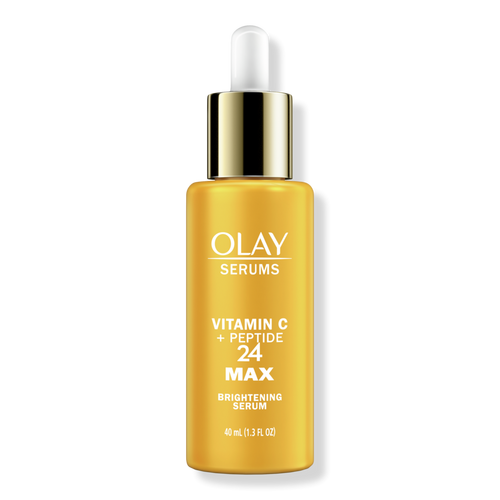 Olay
Vitamin C + Peptide 24 MAX Brightening Serum
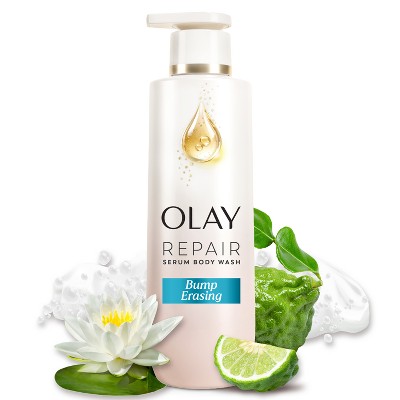 Olay
Olay Premium Bump Erasing Exfoliating Body Wash with AHA Serum Complex - 20 fl oz
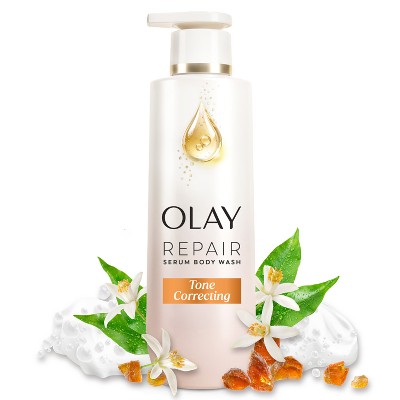 Olay
Olay Tone Correcting BHA and Vitamin C Serum Complex Body Wash - 20 fl oz
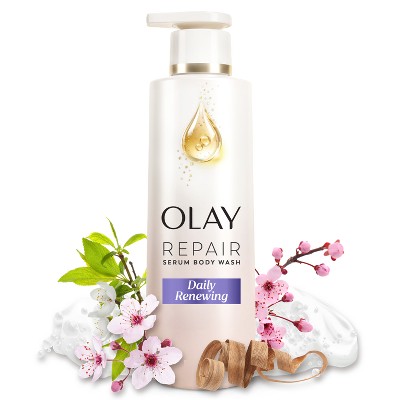 Olay
Olay Cleansing & Renewing Nighttime Body Wash with Vitamin B3 and Retinol - Scented - 20 fl oz
 Olay
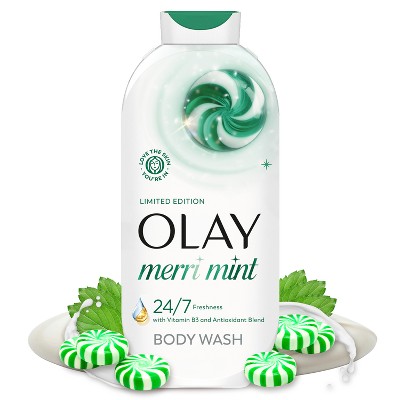
Olay SBM Body Wash - Merri Mint - 22 fl oz
 Olay
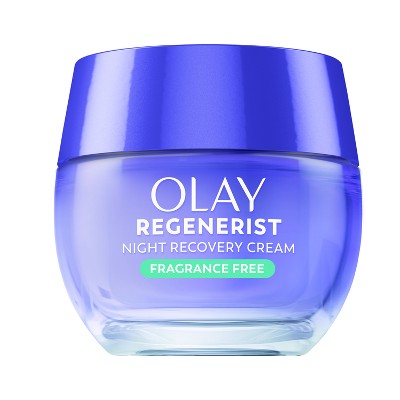
Olay Regenerist Face Cream Night Recovery Moisturizer - 1.7oz
Other moisturizers
See all → skinfix
Triple Lipid-Peptide Cream
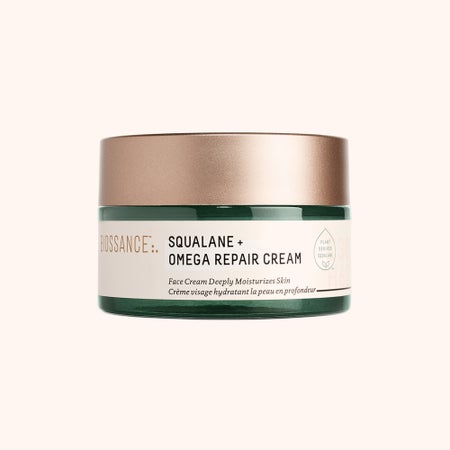 Biossance
Squalane + Omega Repair Cream
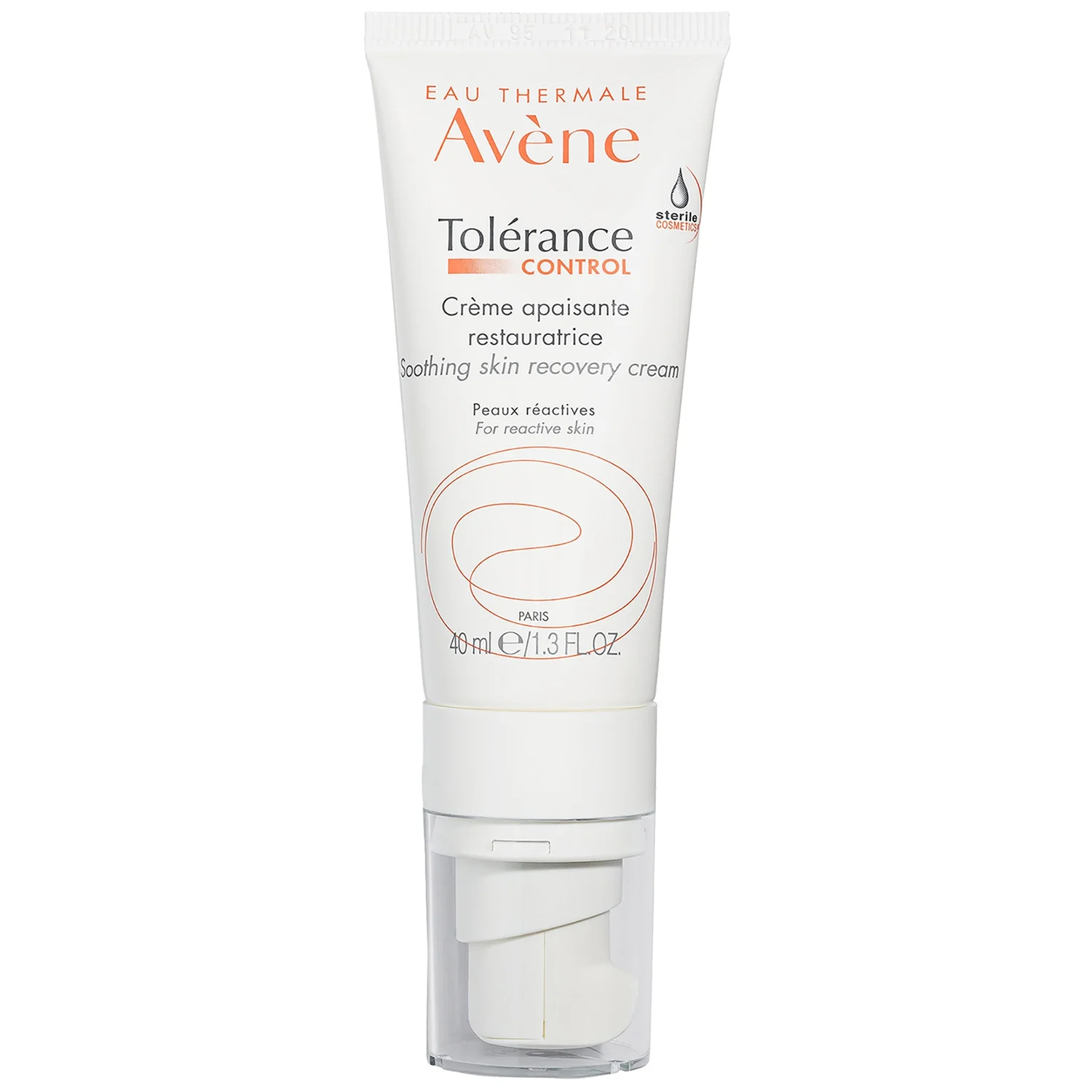 Avène
Avène Tolerance Control Soothing Skin Recovery Cream for Sensitive Skin (1.35 oz.)
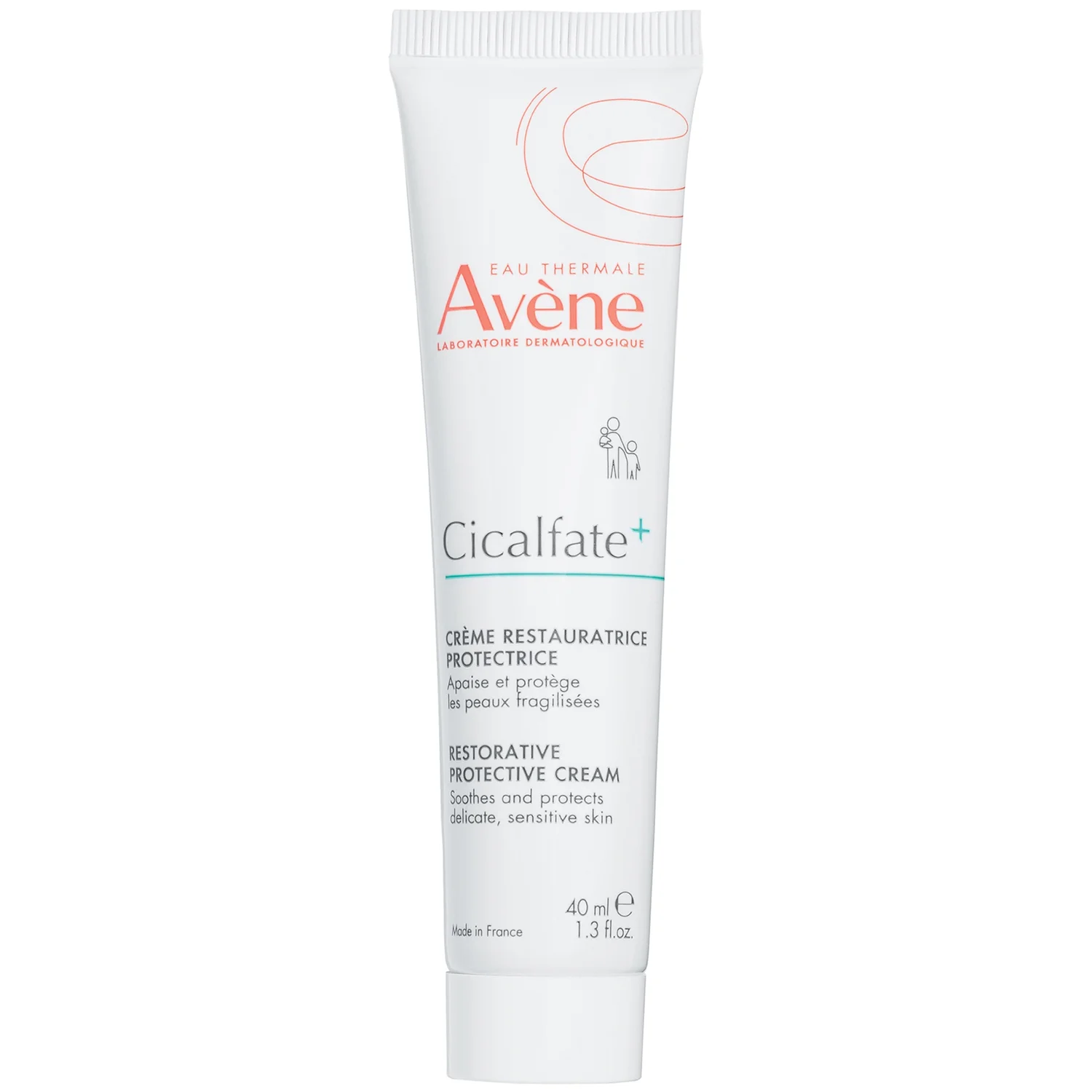 Avène
Avène Cicalfate+ Restorative Protective Cream (3.3 oz.)
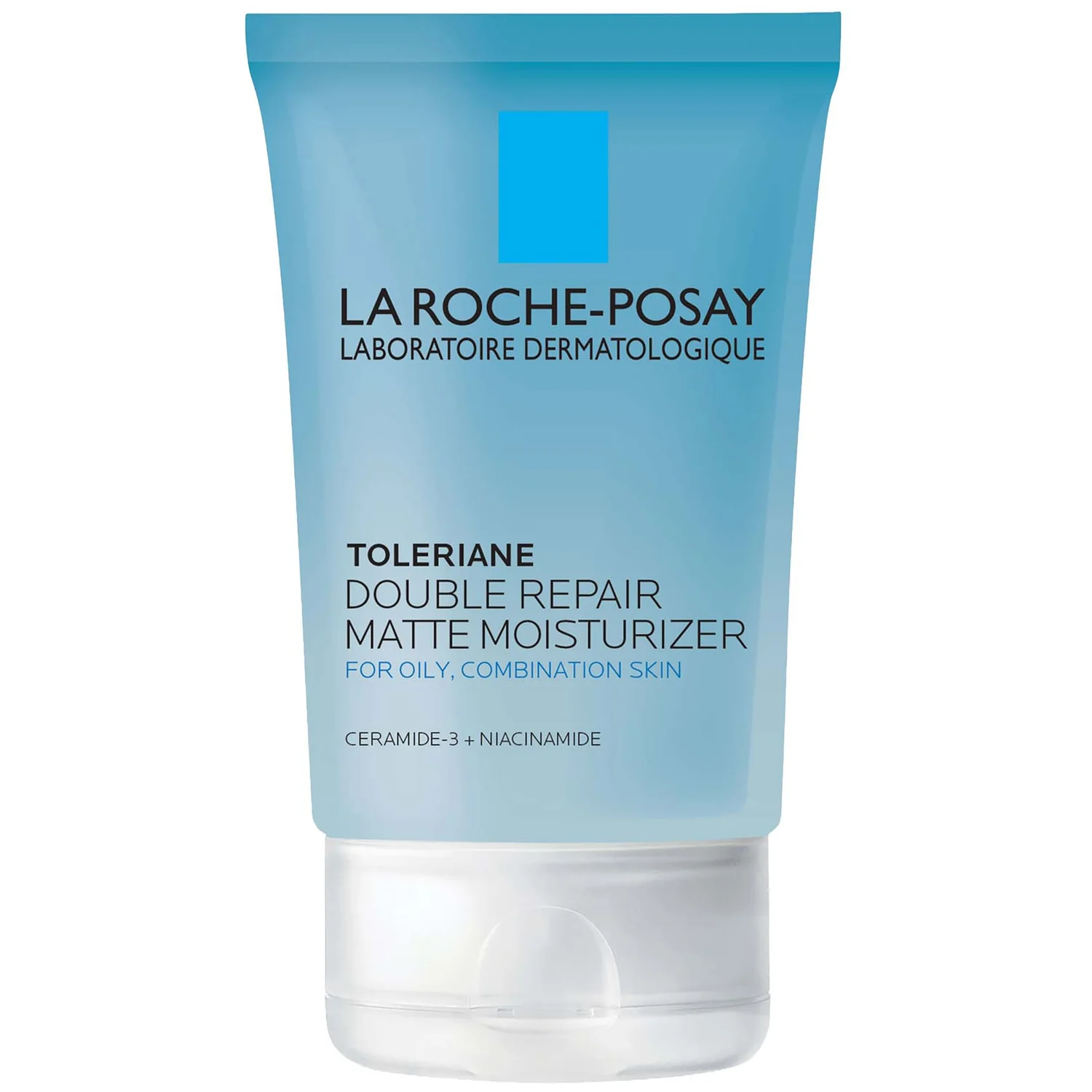 La Roche-Posay
 Toleriane Double Repair Matte Moisturizer (3.38 fl. oz)
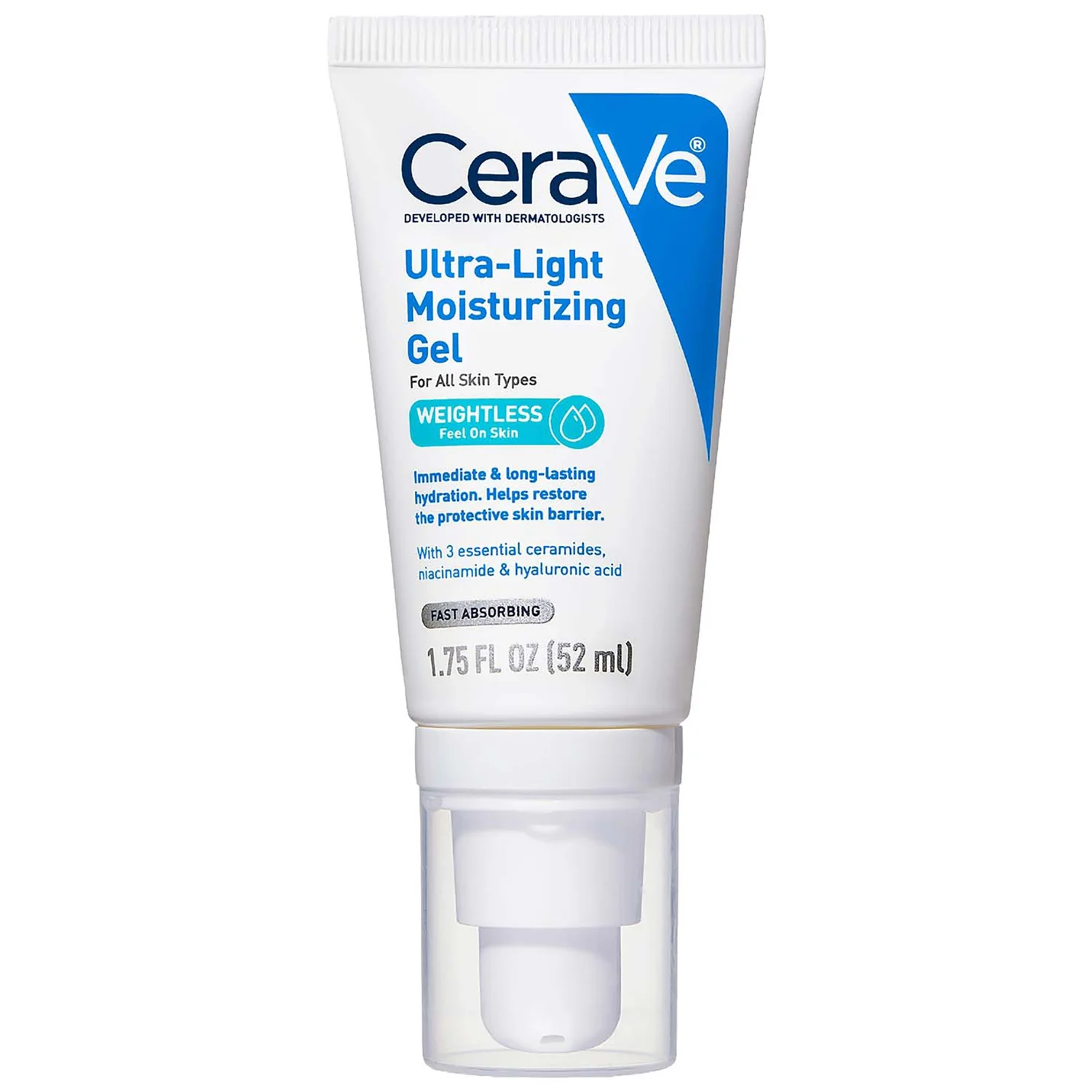 CeraVe
 Ultra-Light Moisturizing Gel (1.75 fl. oz.)
8 quick questions give you your skin type and a morning and night routine, with products that fit your budget.
Take the 1-minute skin quiz →