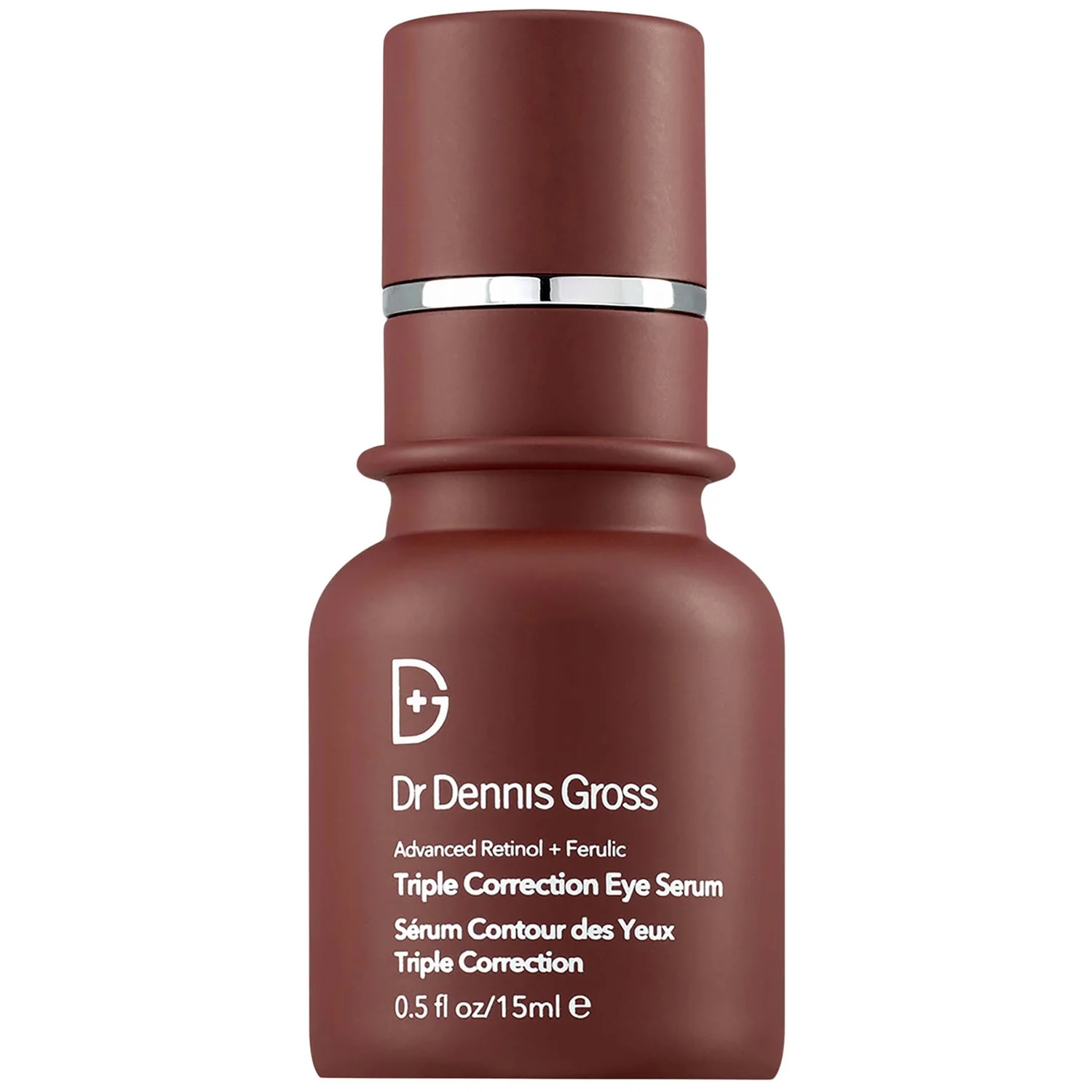
Dr Dennis Gross Skincare Advanced Retinol + Ferulic Triple Correction Eye Serum
☆ Be the first to rate itPregnant or breastfeeding? Check this product
✕Usually avoided during pregnancy
- Retinoids (vitamin A) Retinol
Vitamin A creams (retinol, retinal, retinyl esters, tretinoin, adapalene) are usually avoided during pregnancy and when trying to conceive: vitamin A medicines can harm a baby, and the safety of creams is not proven. - Bakuchiol Bakuchiol
Bakuchiol, the plant alternative to retinol, has very little research in pregnancy. - Salicylic acid (BHA) Salicylic Acid
Salicylic acid is considered fine in everyday products (2% or less, such as cleansers and toners). Skip strong salicylic peels. - Azelaic acid Potassium Azeloyl Diglycinate
Azelaic acid is among the treatments ACOG suggests may be used during pregnancy. - AHA / PHA acids glycolic acid, Mandelic Acid
Glycolic, lactic and other mild acids in everyday products are considered fine. Postpone strong peels.
!Ask your doctor first
- Retinoids (vitamin A) Retinol
Little is known about vitamin A creams while breastfeeding. Ask your doctor; if you use one, keep it to small areas and off the breast. - Bakuchiol Bakuchiol
Bakuchiol has very little research while breastfeeding. - Salicylic acid (BHA) Salicylic Acid
Salicylic acid in everyday products is considered fine. Keep it off the breast. - Azelaic acid Potassium Azeloyl Diglycinate
Azelaic acid is considered fine while breastfeeding. - AHA / PHA acids glycolic acid, Mandelic Acid
Mild acids in everyday products are considered fine while breastfeeding.
Tip: keep skin care off the nipple and areola, and wash it off before feeding if it touched the breast.
Based on the full ingredient list and published guidance: MotherToBaby: topical acne treatments · MotherSafe: skin and hair care · InfantRisk Center: skin care in pregnancy · NIH LactMed: hydroquinone. General information, not medical advice: check with your doctor, midwife or pharmacist, especially for prescription treatments.
Where it costs less
Size: Standard size
Prices from each store's own page, last checked 13 d ago. Prices change: the store's page has the final price. "≈ / oz" means the size is in grams.
As an Amazon Associate and iHerb partner, Glowpedia earns from qualifying purchases at no extra cost to you. Amazon prices are shown only when checked in the last 24 hours, are accurate as of the time shown and may change: the price on Amazon at the time of purchase applies.
What Glowpedia visitors think
Ingredients (39)
Listed from the largest amount to the smallest (below 1%, brands may list them in any order). Tap one to learn more.
- First five: the main ingredients
The list as printed by the brand
Water/Aqua/Eau, Propylene Glycol, Ethoxydiglycol, Bakuchiol, Retinol, Nephelium Lappaceum Leaf Extract, Ferulic Acid, Ubiquinone, Quercetin, Camellia Sinensis Leaf Extract, Sodium Hyaluronate, Saccharide Isomerate, Phospholipids, Centella Asiatica Extract, Caffeine, Salix Alba (Willow) Bark Extract, Salicylic Acid, Arctostaphylos Uva-Ursi Leaf Extract, Morus Alba Bark Extract, Glycyrrhiza Glabra (Licorice) Root Extract, Potassium Azeloyl Diglycinate, Glycolic Acid, Panthenol, Butylene Glycol, Tetrapeptide-21, Caprylic/Capric Triglyceride, Glycerin, Leuconostoc/Radish Root Ferment Filtrate, Mandelic Acid, Potassium Hydroxide, Maltodextrin, PVM/MA Decadiene Crosspolymer, Polysorbate 20, Citric Acid, Sodium Citrate, Phenoxyethanol, Sodium Benzoate, Potassium Sorbate, Iron Oxides (CI 77491, CI 77492)
Using it with your other products
Based on its key actives: Bakuchiol, Retinoids (vitamin A), Hyaluronic acid, Ceramides and barrier lipids, Caffeine, Azelaic acid, Peptides.
-
Use at different timeswith AHAs (alpha hydroxy acids), BHA (salicylic acid), PHAs (polyhydroxy acids)
Retinoids (vitamin A) and exfoliating acids both speed up the shedding of old skin cells. Using them in the same routine can add up to redness, peeling and stinging, especially while your skin is still getting used to the retinoid.
Use them on different nights, or the acid in the morning and the retinoid at night. If you are pregnant or breastfeeding, ask your doctor before using retinoids.
Dry or sensitive skin may do best with the acid only once or twice a week; oily skin often tolerates more.
More on Retinoids + exfoliating acids (AHA, BHA, PHA) →Written by the Glowpedia team · How we write our guides
-
Use at different timeswith Benzoyl peroxide
Benzoyl peroxide, used in products for breakouts, is an oxidizer (it reacts with other ingredients and can break them down). It is known to break down some retinoids, such as prescription tretinoin, when both are on the skin together; adapalene, found in some breakout gels, is an exception and stays stable. Both can also dry and irritate the skin.
Use them at different times of day, for example benzoyl peroxide in the morning or as a rinse-off wash, and the retinoid at night. If you are pregnant or breastfeeding, ask your doctor before using retinoids.
Dry or sensitive skin may need to start each one slowly; for ongoing breakouts, see a dermatologist.
More on Retinoids + benzoyl peroxide →Written by the Glowpedia team · How we write our guides
-
Use at different timeswith Vitamin C
This is not a harmful pair, but it is usually easier to use them at different times of day. Retinoids break down in sunlight, so they suit the evening, while vitamin C is an antioxidant (it helps neutralize damage from sun and pollution) that suits the morning under sunscreen. Strong vitamin C serums can also sting when stacked with a retinoid.
Apply vitamin C in the morning before sunscreen and the retinoid at night. If you are pregnant or breastfeeding, ask your doctor before using retinoids.
Sensitive skin may find milder vitamin C forms, often called derivatives, easier than pure ascorbic acid.
More on Retinoids + vitamin C →Written by the Glowpedia team · How we write our guides
-
Use at different timeswith Scrub particles and enzymes
Scrubs (grainy particles) and enzyme exfoliants also remove dead skin. Using them on the same day as exfoliating acids or a retinoid can over-exfoliate, leaving skin red, raw, tight or stinging.
Use scrubs or enzymes only now and then, on days you skip acids and retinoids. If you are pregnant or breastfeeding, ask your doctor before using retinoids.
Dry or sensitive skin may do best skipping scrubs while using retinoids or acids.
More on Acids or retinoids + scrubs and enzyme exfoliants →Written by the Glowpedia team · How we write our guides
-
Careful togetherwith Retinoids (vitamin A)
Layering two retinoid products, such as a retinol serum and a retinal cream, usually adds irritation without a clear extra benefit. Small amounts of retinyl palmitate in an ordinary moisturizer or makeup are a different matter and are usually not a concern.
Pick one retinoid product as your main one and use it steadily. If you are pregnant or breastfeeding, ask your doctor before using retinoids.
Dry and sensitive skin are the most likely to react to doubling up.
More on Two retinoid products at once →Written by the Glowpedia team · How we write our guides
-
Careful togetherwith Bakuchiol
Bakuchiol is a plant ingredient often chosen as a gentler alternative to retinol. There is no known harm in using both, but there is also little evidence that layering them adds much, and each extra active can add irritation.
If you want both, add one at a time and watch how your skin responds over a few weeks. If you are pregnant or breastfeeding, ask your doctor before using retinoids.
Sensitive skin may do better with just one of the two.
This product already contains both: the brand formulated them together, so follow its directions. The advice above is about layering separate products.
More on Retinoids + bakuchiol →Written by the Glowpedia team · How we write our guides
-
Careful togetherwith Retinoids (vitamin A)
Dermatologists often combine azelaic acid and retinoids, and they do not appear to interfere with each other. Both can cause tingling, dryness or peeling at first, so using them together can add up.
Start one first, then add the other once your skin is used to it, for example azelaic acid in the morning and the retinoid at night. If you are pregnant or breastfeeding, ask your doctor before using retinoids.
Dry or sensitive skin may need a moisturizer and a slower start; oily skin often adjusts faster.
This product already contains both: the brand formulated them together, so follow its directions. The advice above is about layering separate products.
More on Azelaic acid + retinoids →Written by the Glowpedia team · How we write our guides
-
Careful togetherwith Fragrance and scent components, Essential oils
Fragrance and essential oils can irritate or cause allergic reactions in some people. Skin that is adjusting to a retinoid or exfoliating acid can be more reactive, so the two can add up. Most people use them together without trouble.
Patch test new products (try a little on one small area for a few days), and if irritation appears, try fragrance-free versions of your other products. If you are pregnant or breastfeeding, ask your doctor before using retinoids.
People with sensitive skin may prefer fragrance-free products while using retinoids or acids.
More on Fragrance or essential oils + retinoids or acids →Written by the Glowpedia team · How we write our guides
-
Careful togetherwith Alcohol
Some toners and gels contain a lot of alcohol (ethanol or alcohol denat.), which can dry the skin. Layered with a retinoid or exfoliating acid, this can add to dryness and stinging. A small amount of alcohol low on the ingredient list is usually not a concern.
If a product lists alcohol near the top, use it at a different time from your retinoid or acid, or choose an alcohol-free version. If you are pregnant or breastfeeding, ask your doctor before using retinoids.
Oily skin often tolerates alcohol-based products; dry or sensitive skin may prefer alcohol-free ones.
More on Alcohol-based products + retinoids or acids →Written by the Glowpedia team · How we write our guides
-
Great togetherwith Sunscreen filters (chemical), Mineral pigments and sunscreen filters
Retinoids can make skin more sensitive, so use sunscreen every day. Sun exposure is also a main cause of dark spots and early lines, so sunscreen helps protect what you are working toward with a retinoid.
Use the retinoid at night and a sunscreen every morning, applied generously; makeup with pigments alone is not enough. If you are pregnant or breastfeeding, ask your doctor before using retinoids.
Oily skin may prefer a fluid or gel sunscreen; dry skin may like a creamier one.
More on Retinoids + daily sunscreen →Written by the Glowpedia team · How we write our guides
More from Dr Dennis Gross
All Dr Dennis Gross →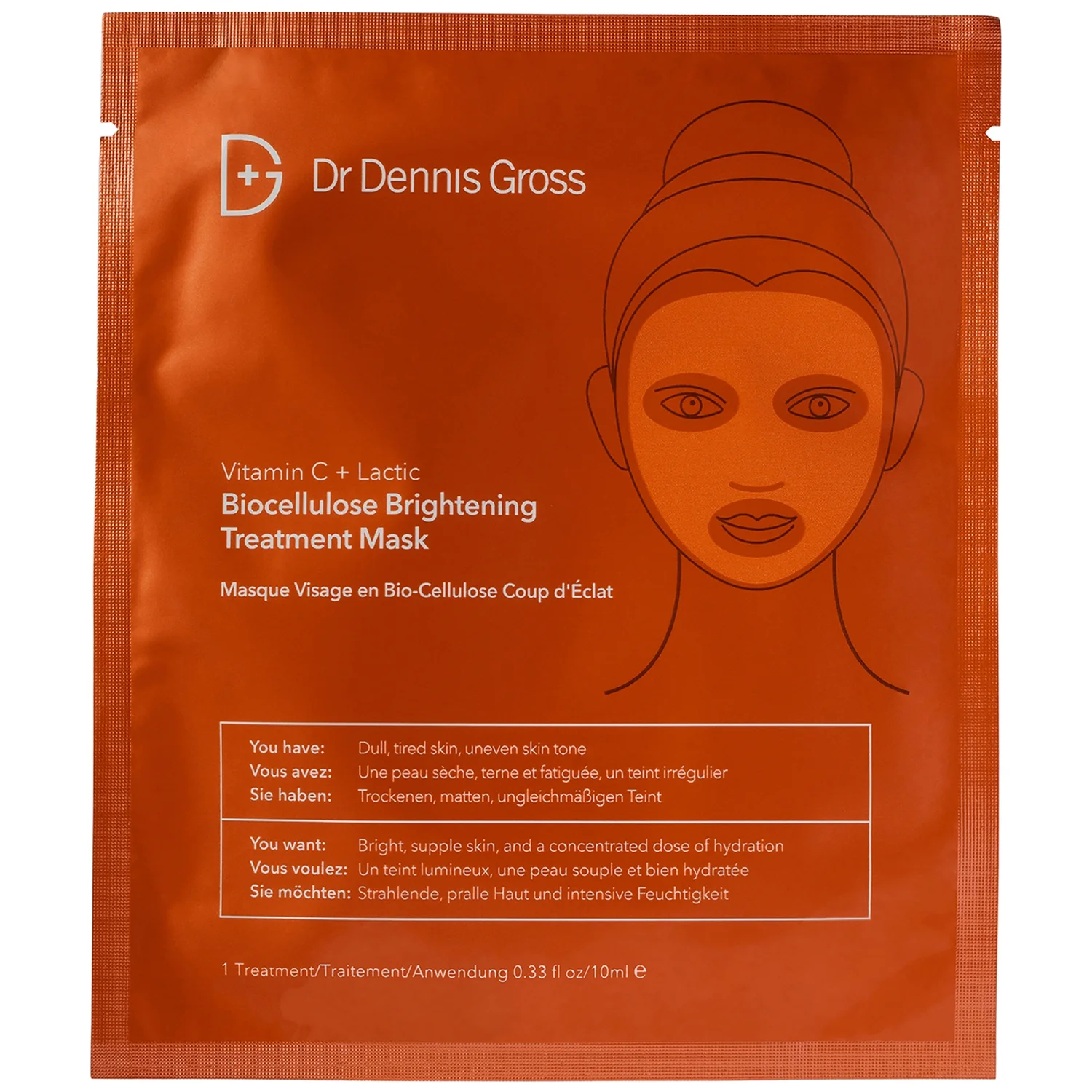 Dr Dennis Gross
 Skincare Vitamin C Lactic Biocellulose Brightening Treatment Mask - 4 Applications 0.35 oz
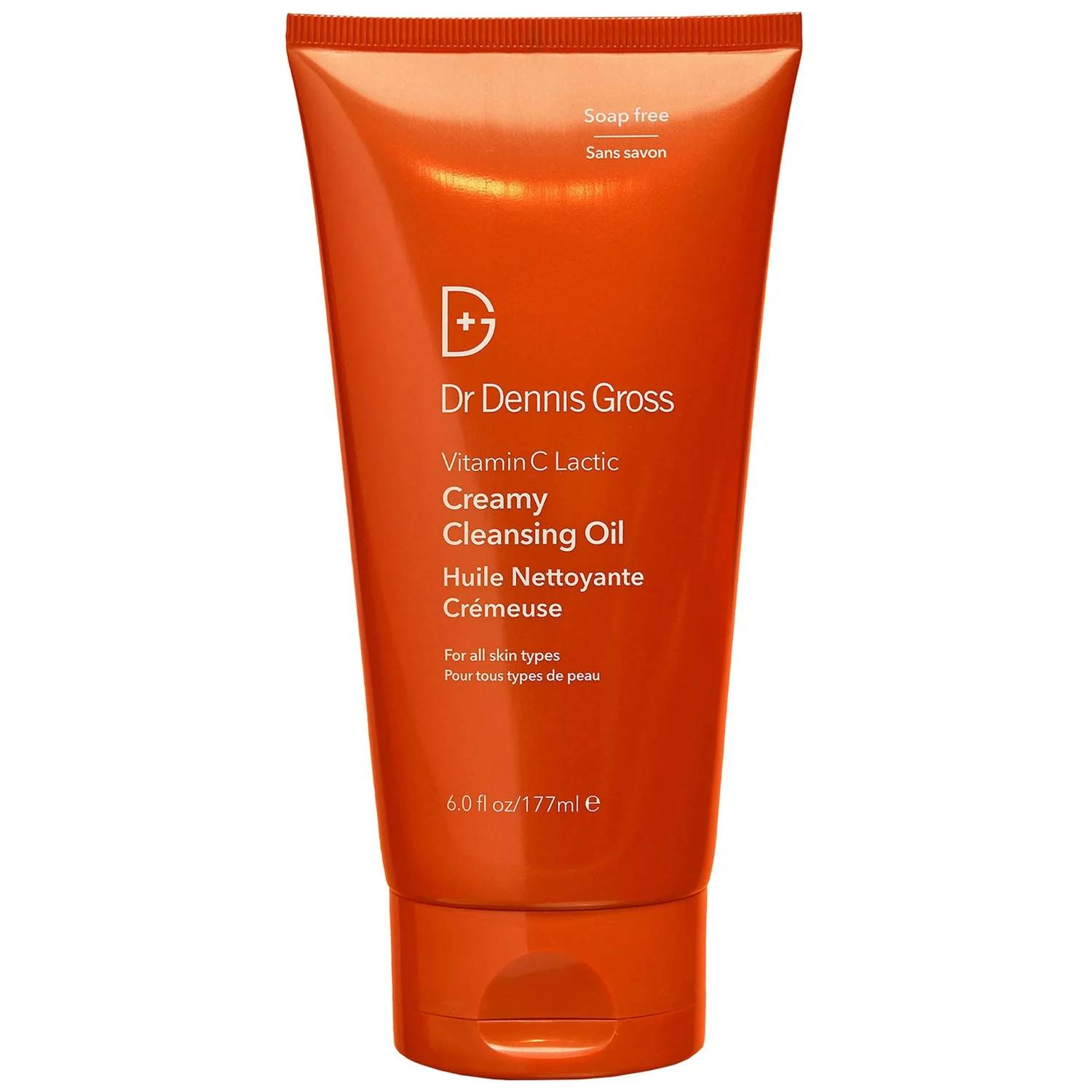 Dr Dennis Gross
 Skincare Vitamin C Lactic Creamy Cleansing Oil 177ml
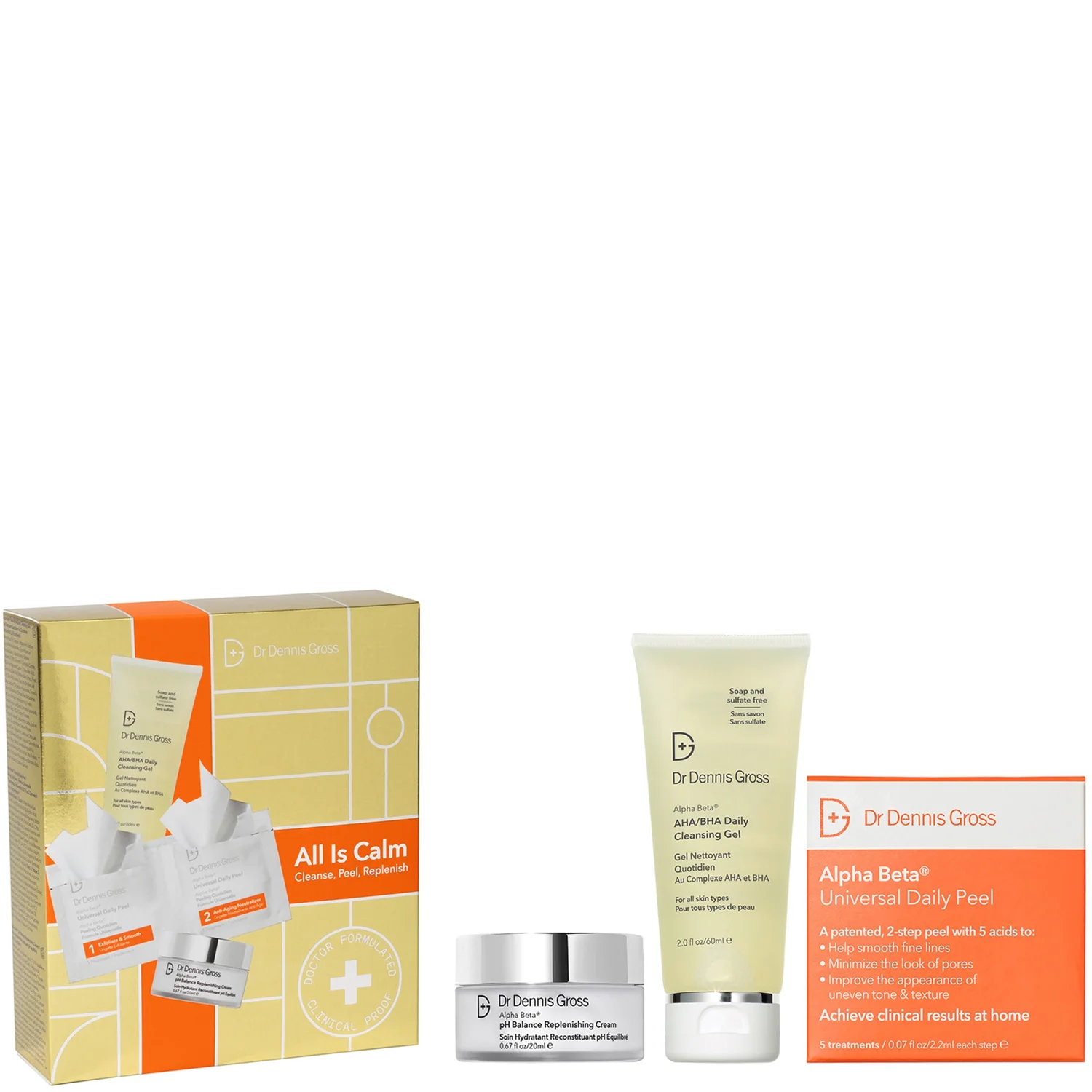 Dr Dennis Gross
Dr. Dennis Gross All is Calm Kit ($56 Value)
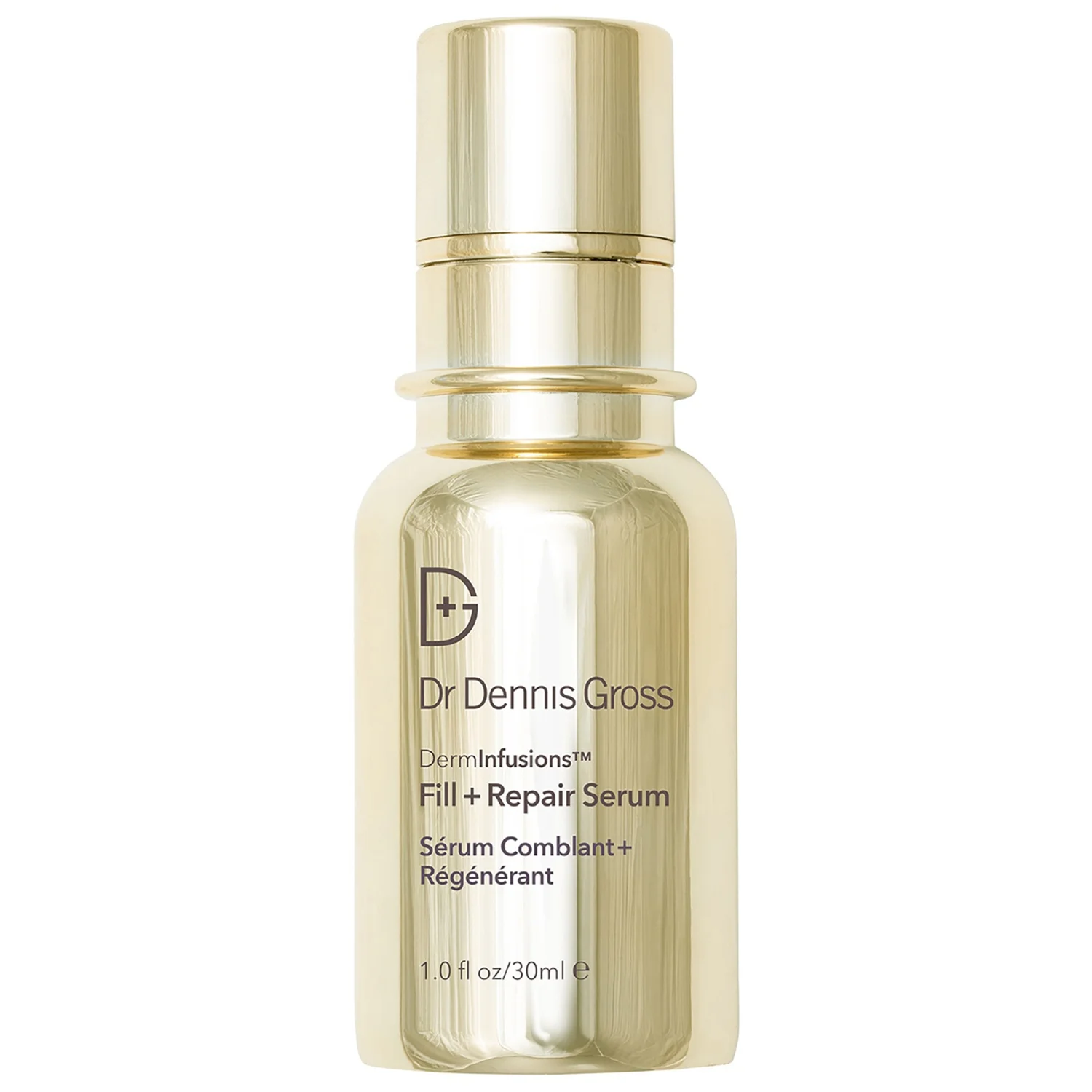 Dr Dennis Gross
 DermInfusions Fill + Repair Serum 30ml
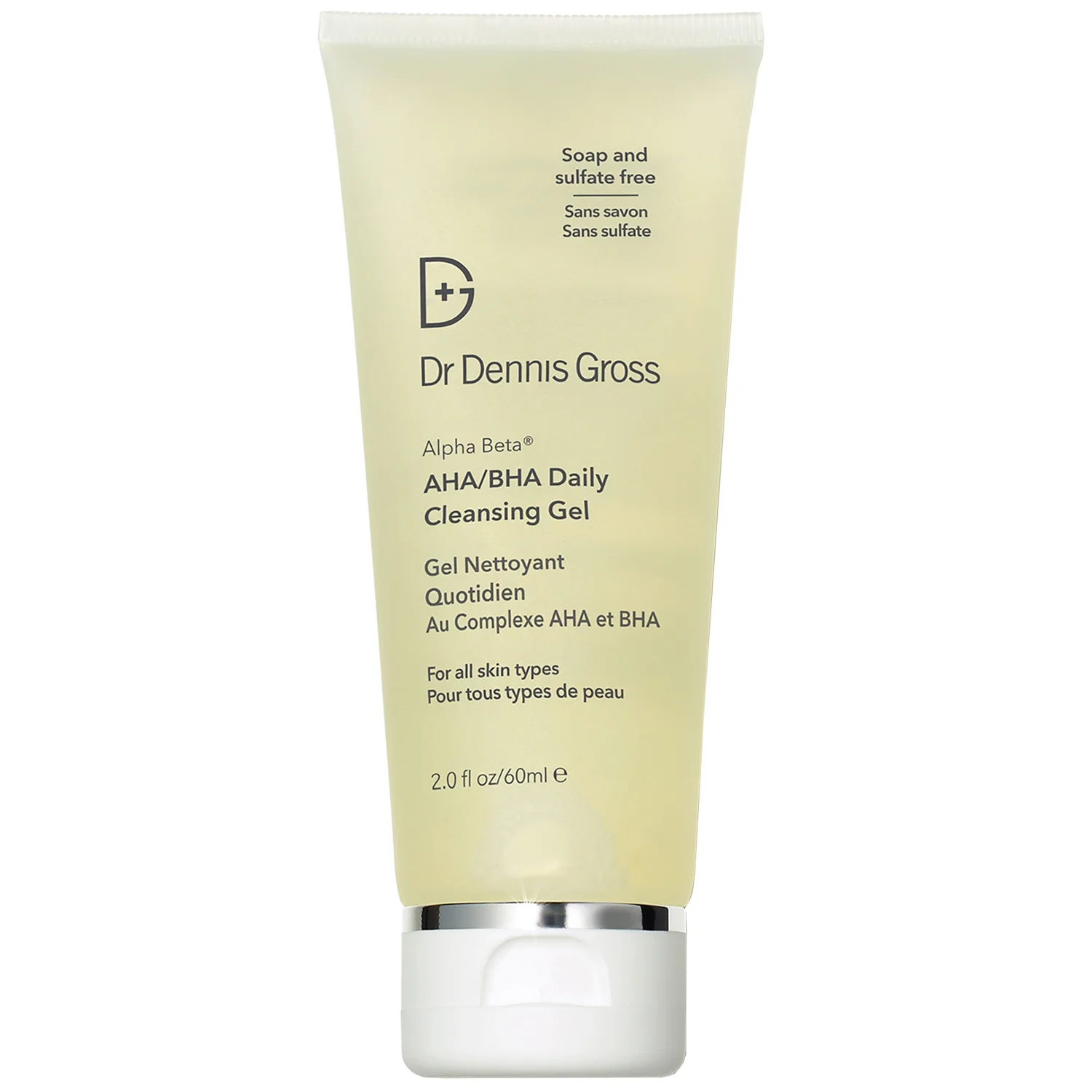 Dr Dennis Gross
 Alpha Beta AHA/BHA Daily Cleansing Gel 2 oz
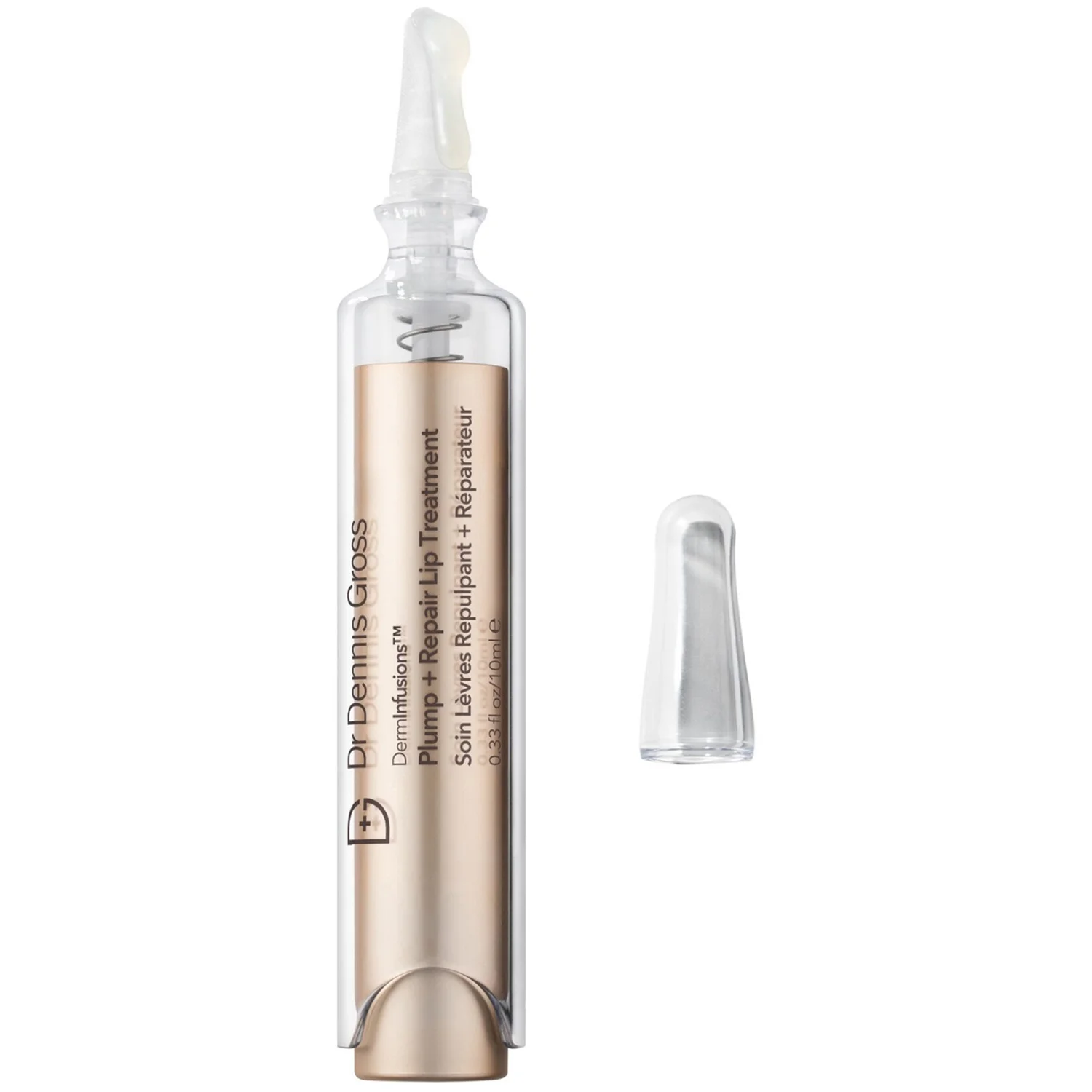 Dr Dennis Gross
 Skincare DermInfusions Plump + Repair Lip Treatment 10ml


8 quick questions give you your skin type and a morning and night routine, with products that fit your budget.
Take the 1-minute skin quiz →