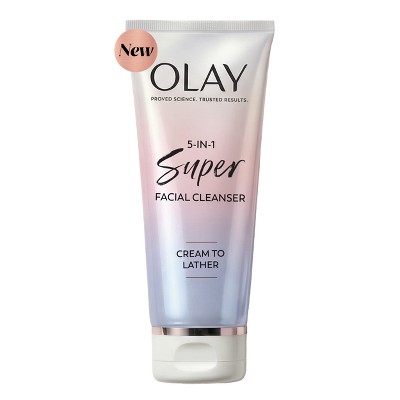
Olay Super Facial Cleanser - 6.7oz
☆ Be the first to rate itContains fragrance.
Pregnant or breastfeeding? Check this product
✓Nothing to avoid found
None of its ingredients are on our pregnancy and breastfeeding watch list.
✓Nothing to avoid found
None of its ingredients are on our pregnancy and breastfeeding watch list.
Tip: keep skin care off the nipple and areola, and wash it off before feeding if it touched the breast.
Based on the full ingredient list and published guidance: MotherToBaby: topical acne treatments · MotherSafe: skin and hair care · InfantRisk Center: skin care in pregnancy · NIH LactMed: hydroquinone. General information, not medical advice: check with your doctor, midwife or pharmacist, especially for prescription treatments.
Where it costs less
Size: 6.7oz
Prices from each store's own page, last checked 13 d ago. Prices change: the store's page has the final price. "≈ / oz" means the size is in grams.
As an Amazon Associate and iHerb partner, Glowpedia earns from qualifying purchases at no extra cost to you. Amazon prices are shown only when checked in the last 24 hours, are accurate as of the time shown and may change: the price on Amazon at the time of purchase applies.
What Glowpedia visitors think
Ingredients (18)
Listed from the largest amount to the smallest (below 1%, brands may list them in any order). Tap one to learn more.
- First five: the main ingredients
- Fragrance
The list as printed by the brand
Water, Sodium Cocoyl Alaninate, Butyrospermum Parkii (Shea) Butter, Cocamidopropyl Betaine, Citric Acid, Glyceryl Caprylate/Caprate, Niacinamide*, Sodium Hyaluronate**, Palmitoyl Pentapeptide-4***, 3-O-Ethyl Ascorbic Acid^, Tocopheryl Acetate^*, Hydroxypropyl Starch Phosphate, Guar Hydroxypropyltrimonium Chloride, Xanthan Gum, Sodium Benzoate, Sodium Salicylate, Fragrance, Red 40
Using it with your other products
Based on its key actives: Niacinamide (vitamin B3), Hyaluronic acid, Peptides, Vitamin C.
-
Use at different timeswith Retinoids (vitamin A)
This is not a harmful pair, but it is usually easier to use them at different times of day. Retinoids break down in sunlight, so they suit the evening, while vitamin C is an antioxidant (it helps neutralize damage from sun and pollution) that suits the morning under sunscreen. Strong vitamin C serums can also sting when stacked with a retinoid.
Apply vitamin C in the morning before sunscreen and the retinoid at night. If you are pregnant or breastfeeding, ask your doctor before using retinoids.
Sensitive skin may find milder vitamin C forms, often called derivatives, easier than pure ascorbic acid.
More on Retinoids + vitamin C →Written by the Glowpedia team · How we write our guides
-
Use at different timeswith Benzoyl peroxide
Benzoyl peroxide, used in products for breakouts, is an oxidizer (it reacts with other ingredients and can break them down), and vitamin C is especially easy to break down this way. Used together, benzoyl peroxide may use up some of the vitamin C so it does less, and both can irritate.
Use them at different times of day, for example vitamin C in the morning and benzoyl peroxide at night, or use benzoyl peroxide as a rinse-off wash.
Dry or sensitive skin may find this pair drying; for ongoing breakouts, see a dermatologist.
More on Vitamin C + benzoyl peroxide →Written by the Glowpedia team · How we write our guides
-
Use at different timeswith Copper peptides
Copper peptides are small protein pieces bound to copper, used in skin care for signs of aging. In lab chemistry, copper can speed up the breakdown of vitamin C, and the two may react so that each works less well. How much this matters on skin is not known.
To be careful, use vitamin C in the morning and copper peptides at night.
More on Vitamin C + copper peptides →Written by the Glowpedia team · How we write our guides
-
Careful togetherwith AHAs (alpha hydroxy acids), BHA (salicylic acid)
Pure vitamin C (ascorbic acid) and exfoliating acids are both acidic, meaning they have a low pH. Layering them can cause stinging and redness, especially on sensitive skin. Milder vitamin C forms, often called derivatives, are less likely to sting.
Many people use vitamin C in the morning and the acid at night, or on different days. Wear sunscreen every day.
Oily skin often tolerates layering; dry or sensitive skin usually does better keeping them apart.
More on Vitamin C + AHA or BHA →Written by the Glowpedia team · How we write our guides
-
Great togetherwith Sunscreen filters (chemical), Mineral pigments and sunscreen filters
Vitamin C under sunscreen may give extra help against sun-related damage, such as dark spots, because it helps neutralize free radicals (unstable molecules) formed by sun exposure. It does not replace sunscreen.
Apply vitamin C in the morning, let it settle, then apply a broad-spectrum sunscreen (UVA and UVB protection) generously. Makeup with pigments alone is not enough.
Sensitive skin may prefer milder vitamin C forms, often called derivatives.
More on Vitamin C + daily sunscreen →Written by the Glowpedia team · How we write our guides
More from CeraVe
All CeraVe →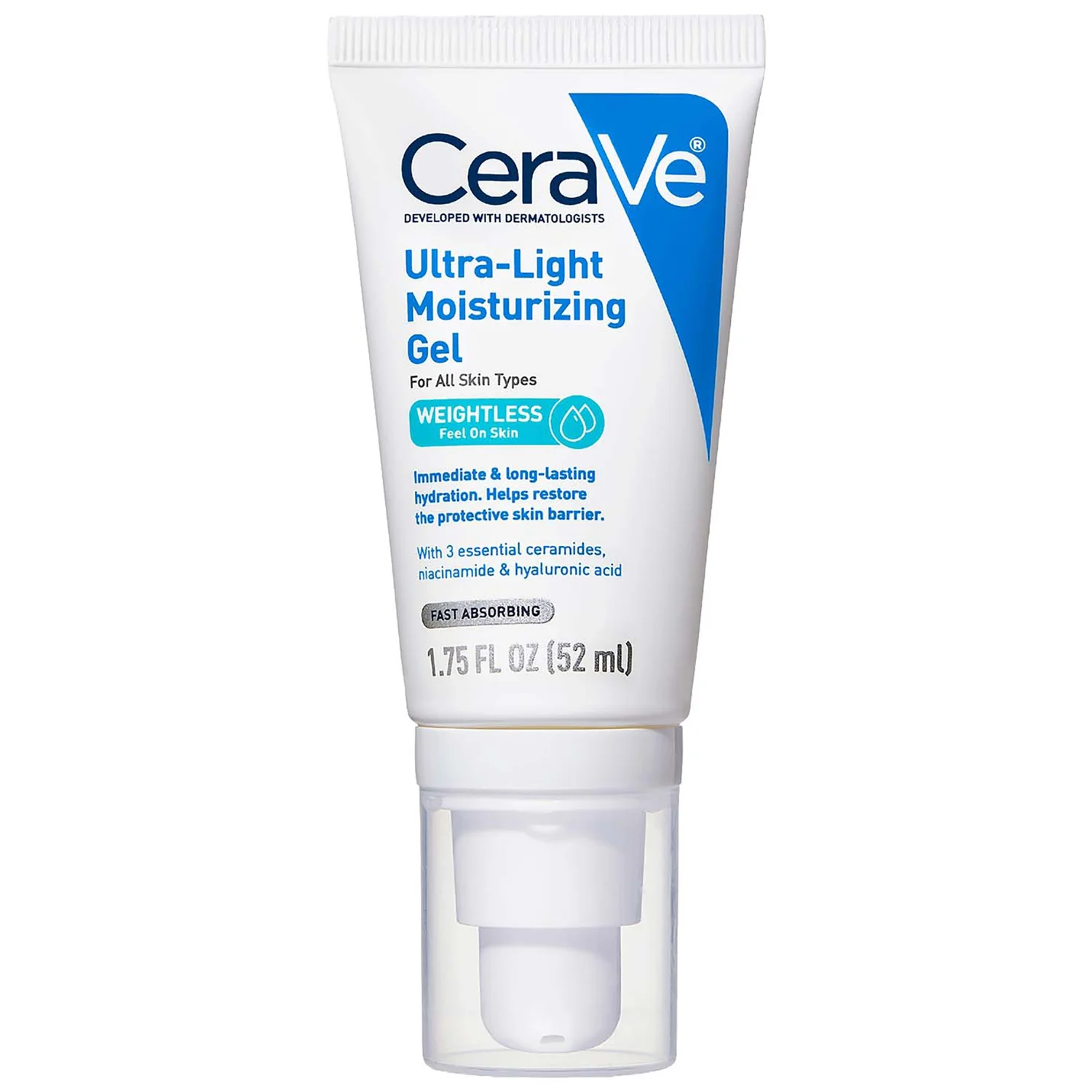 CeraVe
 Ultra-Light Moisturizing Gel (1.75 fl. oz.)
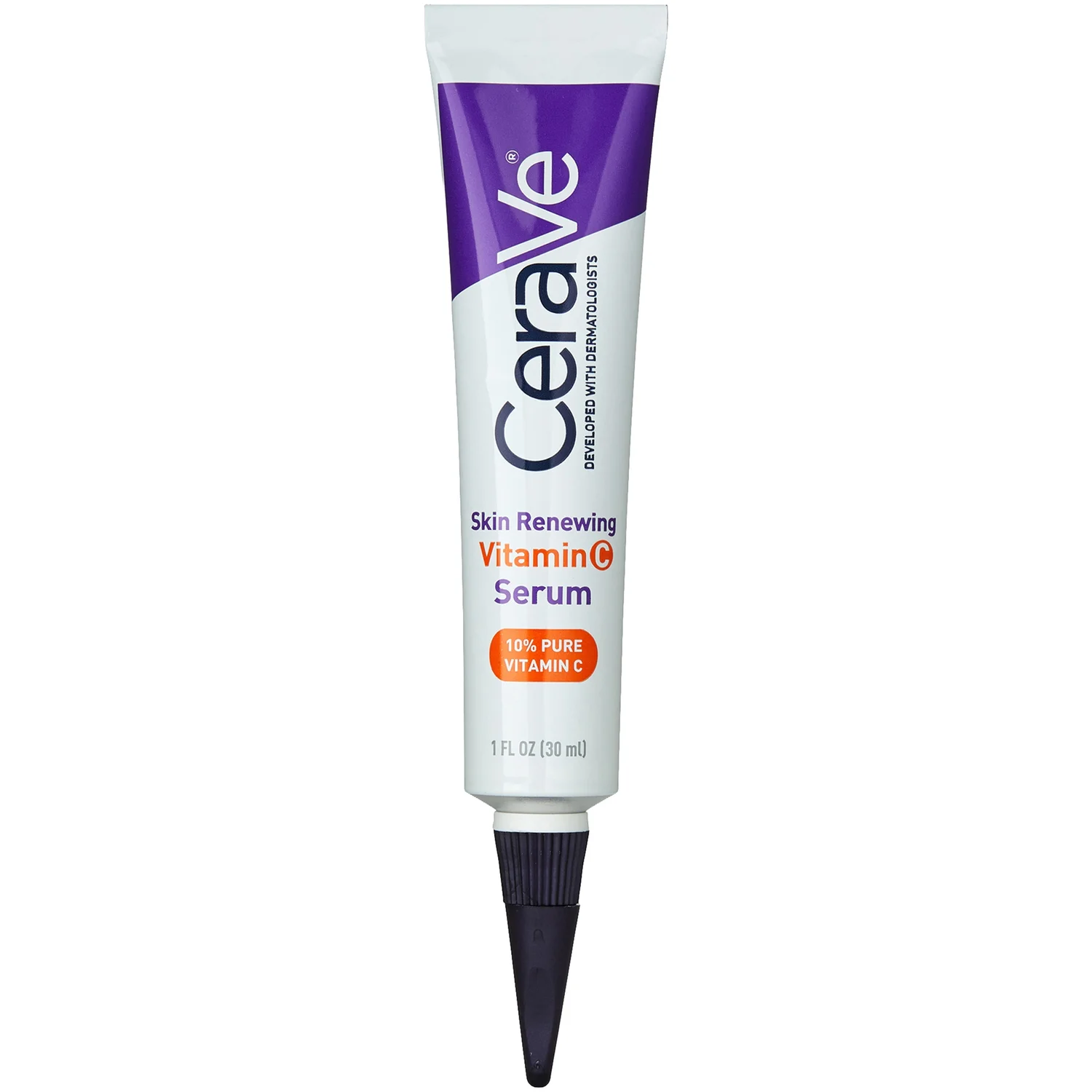 CeraVe
 Skin Renewing Vitamin C Serum with Hyaluronic Acid and 10% Pure Vitamin C (1 fl. oz.)
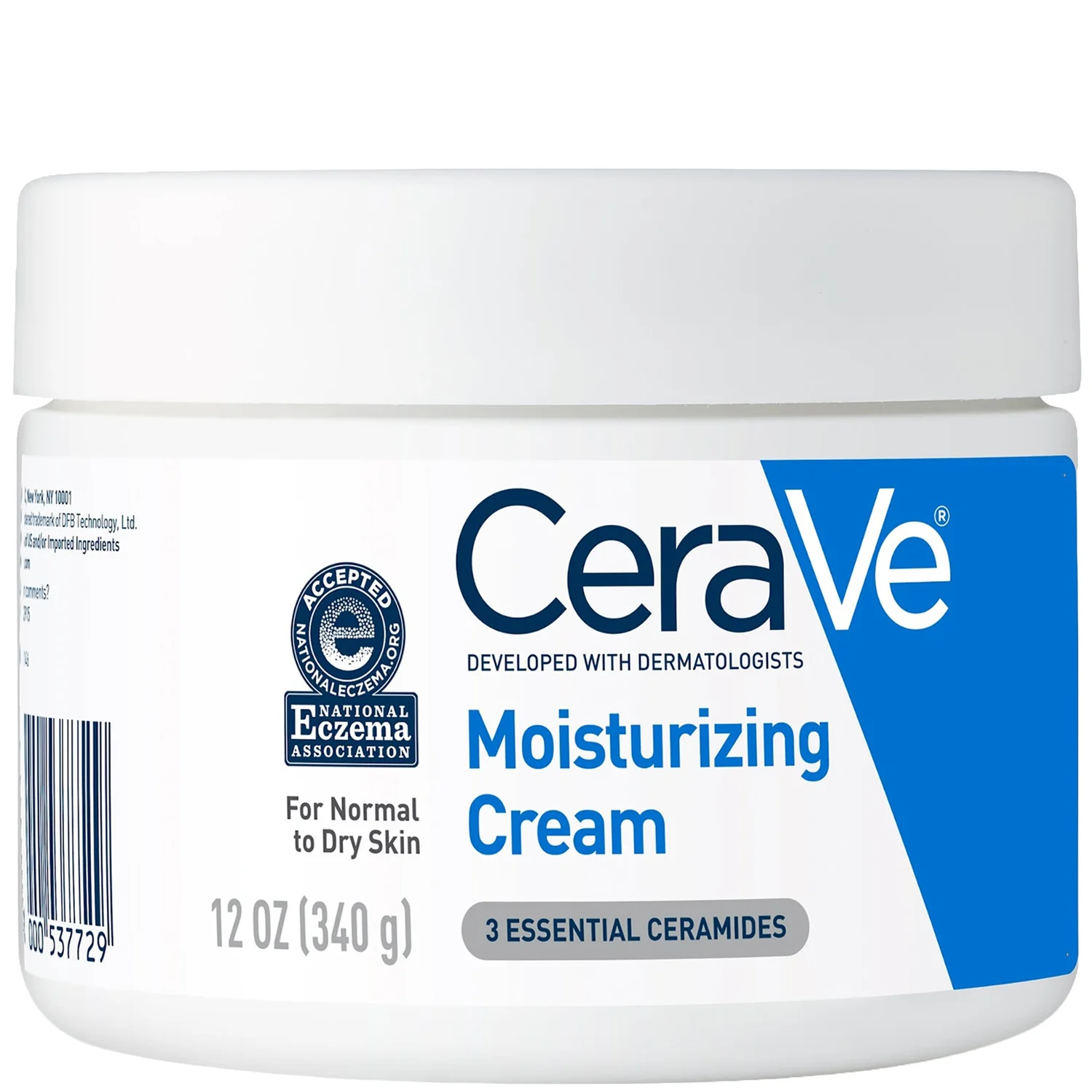 CeraVe
 Moisturizing Cream Body and Face Moisturizer for Dry Skin (12 fl. oz)
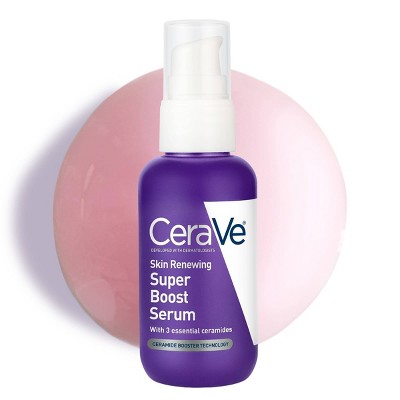 CeraVe
 Skin Renewing Super Boost Serum with 3 Essential Ceramides - 1.7 fl oz
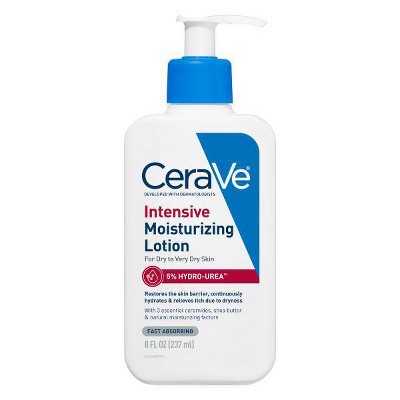 CeraVe
 Intensive Moisturizing Lotion For Dry to Very Dry Skin - 8 fl oz
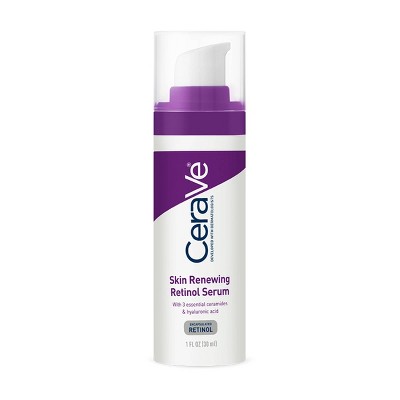 CeraVe
 Skin Renewing Retinol Face Serum for Fine Lines and Wrinkles - 1oz
Other cleansers
See all →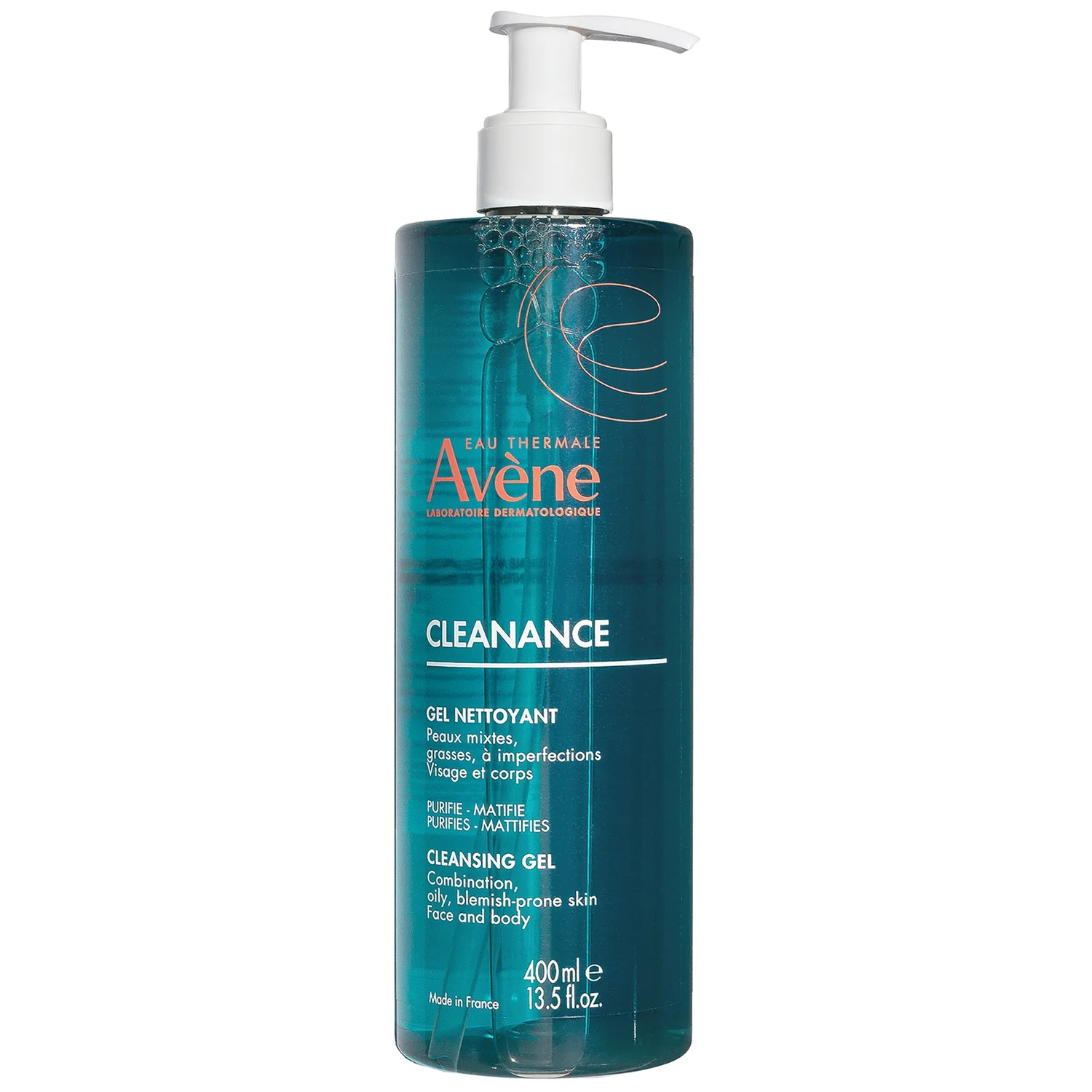 Avène
Avene Cleanance Cleansing Gel 13.5 fl. oz.
 Bioderma
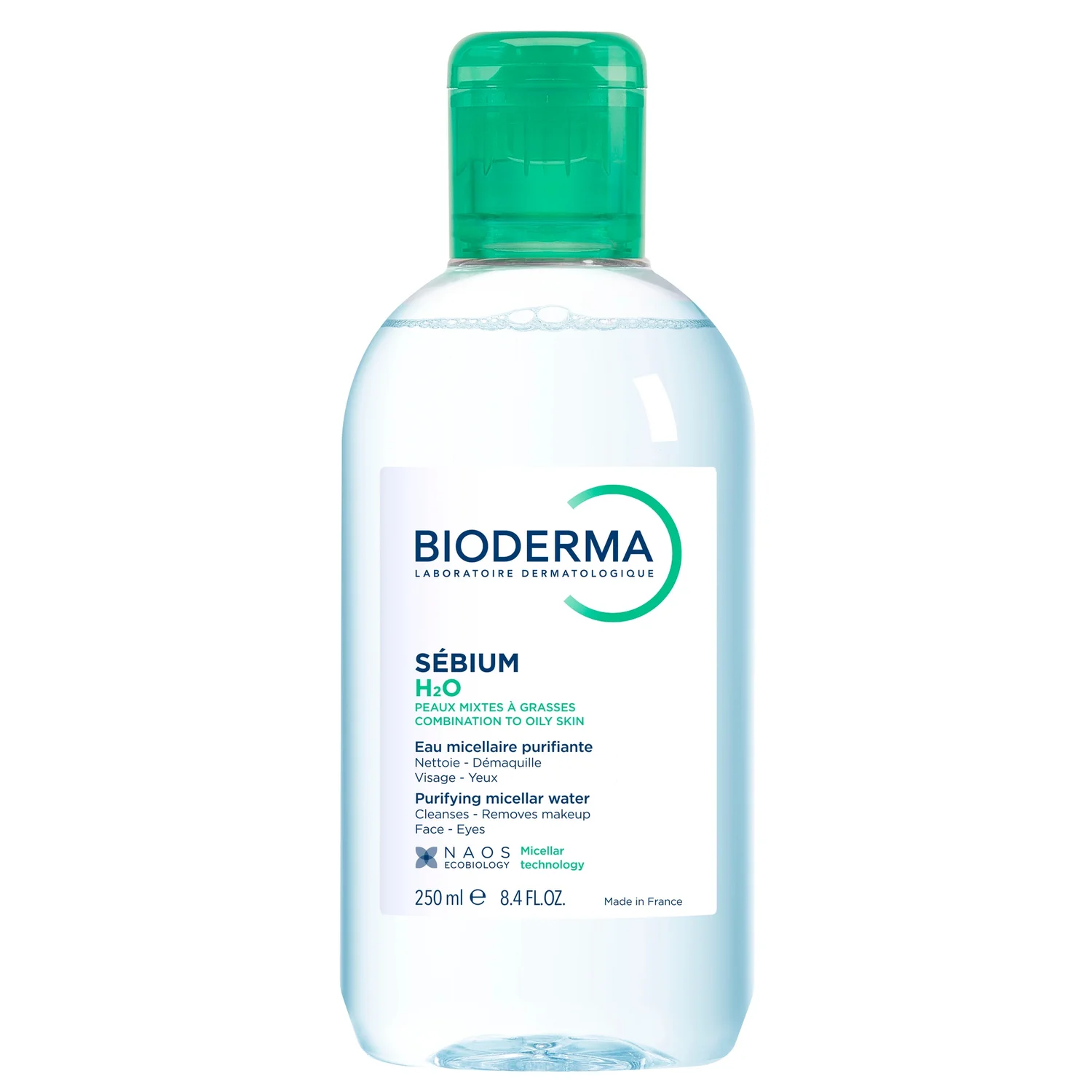
 Sebium H2O Micellar Water (8.4 oz.)
 Bioderma
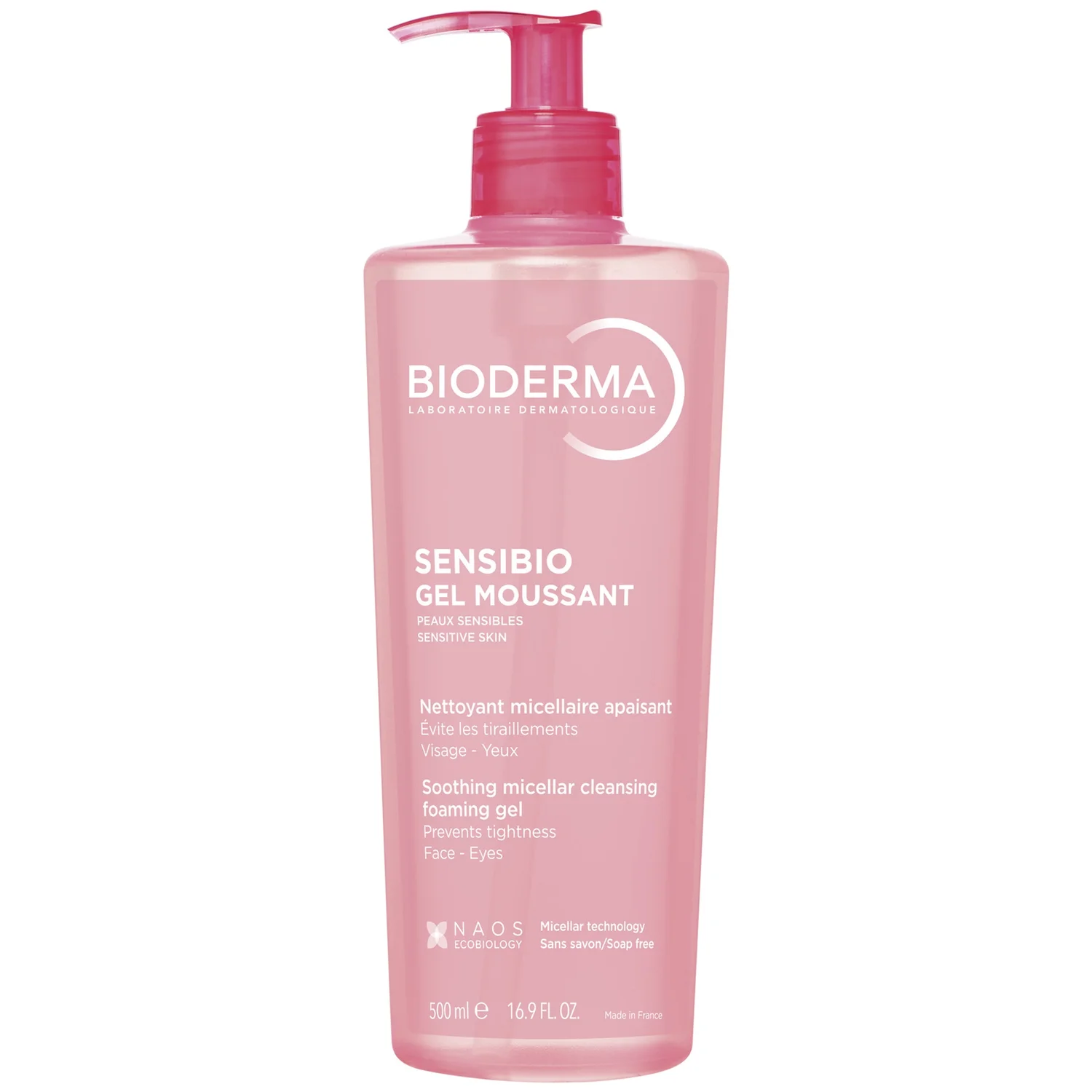
 Sensibio Foaming Gel (3.3 oz)
 Bioderma
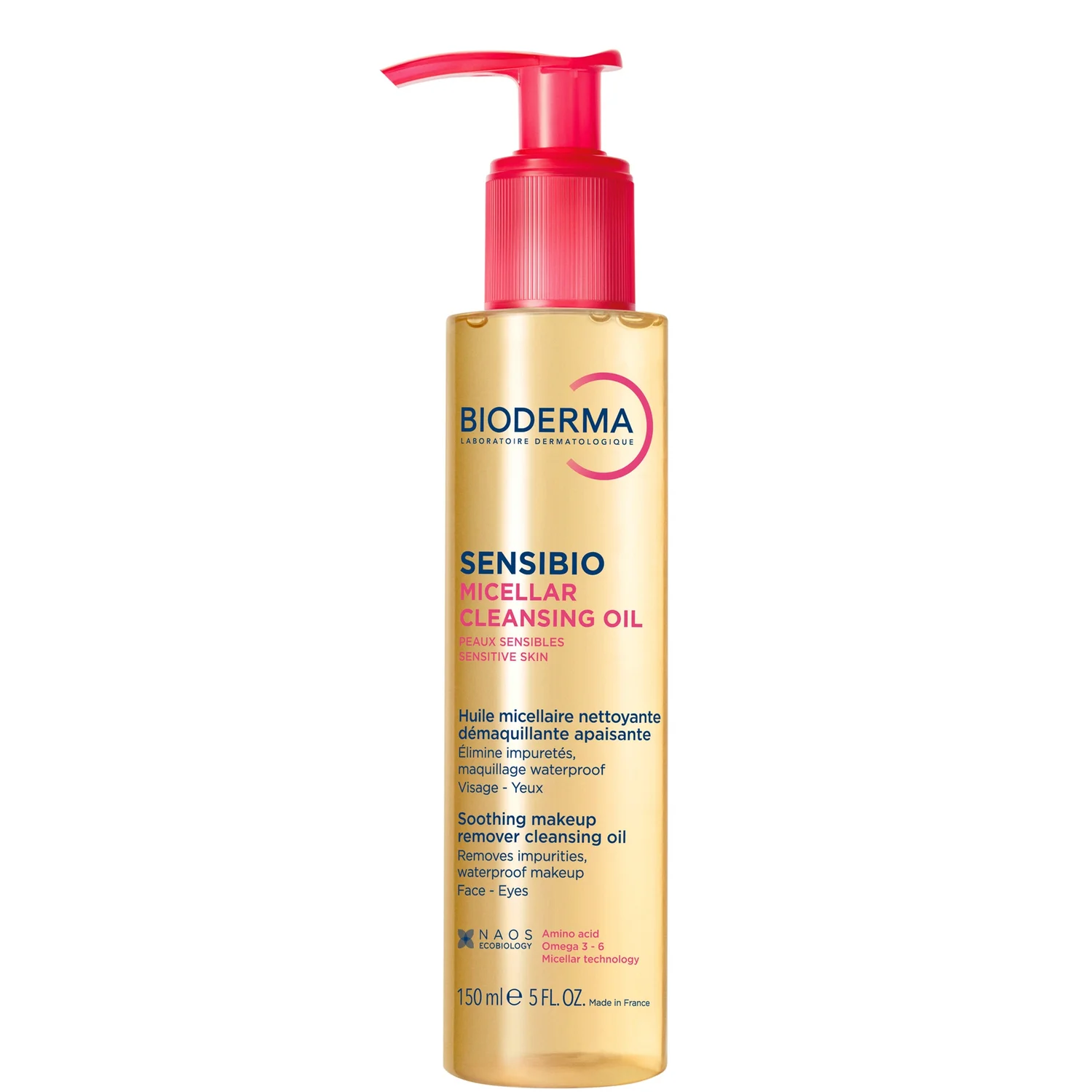
 Sensibio Micellar Cleansing Oil (5 oz.)
 Avène
Avene Tolerance Foaming Facial Cleanser - 13.2 fl oz
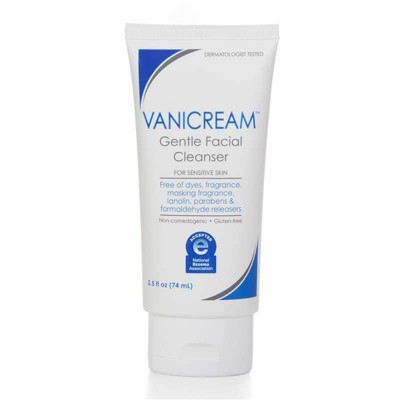 Vanicream
 Gentle Facial Cleanser for Sensitive Skin - Travel Friendly - Unscented - 2.5 fl oz
8 quick questions give you your skin type and a morning and night routine, with products that fit your budget.
Take the 1-minute skin quiz →