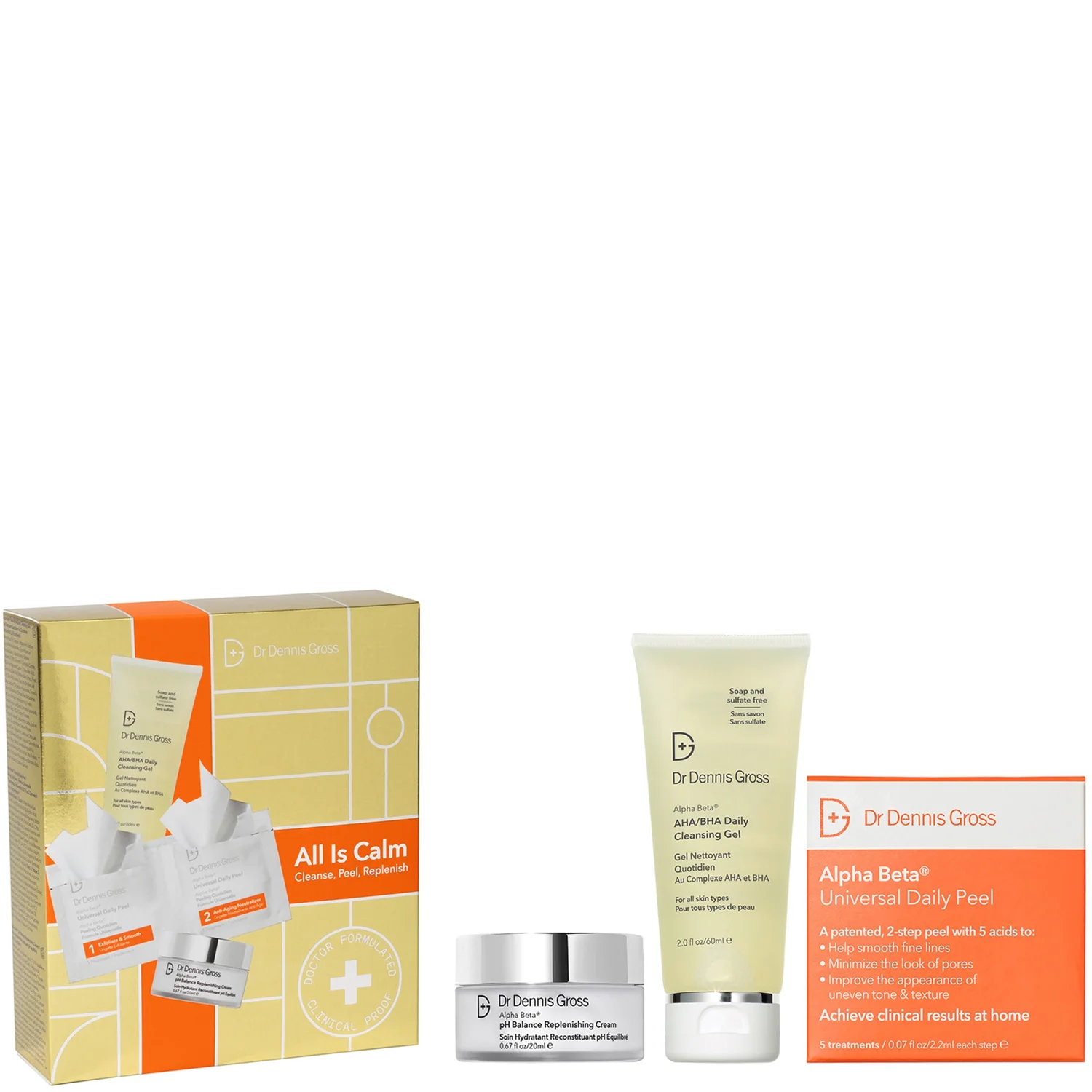
Dr. Dennis Gross All is Calm Kit ($56 Value)
☆ كن أول من يقيّمهيحتوي على عطر, مسبب حساسية عطري واحد مذكور, كحول.
حامل أو مرضعة؟ افحصي هذا المنتج
✕يُتجنَّب عادةً أثناء الحمل
- الريتينويدات (فيتامين أ) Retinol
تُتجنَّب كريمات فيتامين أ (الريتينول والريتينال وإسترات الريتينيل والتريتينوين والأدابالين) عادةً أثناء الحمل وعند محاولة الإنجاب: أدوية فيتامين أ قد تضر الجنين، وسلامة الكريمات غير مثبتة. - أحماض AHA / PHA glycolic acid, Lactic Acid, Malic Acid
تُعدّ أحماض الجليكوليك واللاكتيك والأحماض الخفيفة الأخرى في المنتجات اليومية مقبولة. أجّلي المقشرات القوية. - حمض الساليسيليك (BHA) Salicylic Acid
يُعدّ حمض الساليسيليك مقبولًا في المنتجات اليومية (2% أو أقل، مثل الغسول والتونر). تجنبي مقشرات الساليسيليك القوية.
!استشيري طبيبك أولًا
- الريتينويدات (فيتامين أ) Retinol
المعلومات قليلة عن كريمات فيتامين أ أثناء الرضاعة. استشيري طبيبك؛ وإن استخدمتِها فعلى مساحات صغيرة وبعيدًا عن الثدي. - أحماض AHA / PHA glycolic acid, Lactic Acid, Malic Acid
الأحماض الخفيفة في المنتجات اليومية مقبولة أثناء الرضاعة. - حمض الساليسيليك (BHA) Salicylic Acid
حمض الساليسيليك في المنتجات اليومية مقبول. أبعديه عن الثدي.
نصيحة: أبعدي منتجات العناية عن الحلمة والهالة، واغسليها قبل الرضاعة إذا لامست الثدي.
استنادًا إلى قائمة المكونات كاملة والإرشادات المنشورة: MotherToBaby: topical acne treatments · MotherSafe: skin and hair care · InfantRisk Center: skin care in pregnancy · NIH LactMed: hydroquinone. معلومات عامة وليست نصيحة طبية: استشيري طبيبك أو القابلة أو الصيدلي، خاصة في العلاجات الموصوفة.
أين يكون أرخص
الحجم: الحجم العادي
الأسعار من صفحة كل متجر, آخر تحقق قبل 13 يوم. الأسعار تتغير: السعر النهائي في صفحة المتجر. «≈ / oz» تعني أن الحجم بالغرام.
بصفتنا شريكًا في برنامج أمازون وشريكًا لـ iHerb، تحصل Glowpedia على عمولة من المشتريات المؤهلة دون أي تكلفة إضافية عليك. لا نعرض أسعار أمازون إلا إذا تحققنا منها خلال آخر 24 ساعة، وهي صحيحة في الوقت المذكور وقد تتغير: السعر المعتمد هو سعر أمازون وقت الشراء.
رأي زوار Glowpedia
المكونات (81)
مرتبة من الكمية الأكبر إلى الأصغر (تحت 1% يمكن للعلامات ترتيبها كما تشاء). اضغط على أحدها لتعرف المزيد.
- الخمسة الأولى: المكونات الرئيسية
- العطر
- مسبب حساسية عطري (1)
- الكحول
القائمة كما طبعتها العلامة
Water/Aqua/Eau, Alcohol Denat. (SD Alcohol 40-B), Glycolic Acid, Potassium Hydroxide, Hamamelis Virginiana (Witch Hazel) Water, Salicylic Acid*, Polysorbate 20, Citric Acid, Lactic Acid, Malic Acid, Camellia Sinensis Leaf Extract, Achillea Millefolium Extract, Chamomilla Recutita (Matricaria) Flower Extract, Soy Isoflavones, Glycerin, Copper PCA, Zinc PCA, Lecithin, Alcohol, Polysorbate 80, Disodium EDTA, Fragrance (Parfum), Phenoxyethanol, Benzoic Acid, Sodium Benzoate, Sodium Bicarbonate, Ascorbic Acid, Retinol, Tocopheryl Acetate, Resveratrol, Ubiquinone, Adenosine, Achillea Millefolium Extract, Camellia Sinensis Leaf Extract, Soy Isoflavones, Phospholipids, Leuconostoc/Radish Root Ferment Filtrate, Copper PCA, Sodium PCA, Zinc PCA, Glycerin, Ethylhexylglycerin, Polysorbate 20, Polyglyceryl-10 Laurate, Polyglyceryl-4 Caprate, Citric Acid, Sodium Phytate, Phenoxyethanol, Sodium Benzoate, Butylene Glycol, C13-16 Isoalkane, Cetearyl Alcohol, Caprylic/Capric Triglyceride, Sodium Acrylate/Sodium Acryloyldimethyl Taurate Copolymer, Heptyl Undecylenate, Glyceryl Behenate, Stearyl Dimethicone, Saccharide Isomerate, Magnesium PCA, Manganese PCA, Phytic Acid, Sodium PCA, Linoleic Acid, Phospholipids, Copper PCA, Inonotus Obliquus (Mushroom) Extract, Lactic Acid, Sodium Hyaluronate, Niacinamide, Aloe Barbadensis Leaf Juice, Bisabolol, Centella Asiatica Extract, Phytosterols, Adenosine, Salicylic Acid, Aloe Barbadensis Leaf Extract, Caulerpa Lentillifera Extract, Citrus Sinensis (Orange) Fruit Extract, Cocos Nucifera (Coconut) Fruit Extract, Citrullus Lanatus (Watermelon) Fruit Extract, Hydrolyzed Soy Protein, Zinc PCA, Glycolic Acid, Glycerin, Pentylene Glycol, Ethylhexylglycerin, Dimethicone, Dimethicone Crosspolymer-3, Polyglyceryl-10 Laurate, Hydrogenated Lecithin, Isohexadecane, Potassium Cetyl Phosphate, Isododecane, Potassium Chloride, Sodium Chloride, Calcium Chloride, Tocopherol, Ceteareth-20, Sorbitan Oleate, Polysorbate 80, Sodium Hydroxide, Sodium Bicarbonate, Sodium Citrate, Citric Acid, Phenoxyethanol, Benzyl Alcohol, Sodium Benzoate
استخدامه مع منتجاتك الأخرى
بناءً على مكوناته الفعالة الرئيسية: أحماض ألفا هيدروكسي (AHA), حمض بيتا هيدروكسي (حمض الساليسيليك), مكونات مزيلات العرق, فيتامين C, الريتينويدات (فيتامين أ), PDRN والحمض النووي والأدينوسين, السيراميدات ودهون الحاجز, حمض الهيالورونيك, النياسيناميد (فيتامين B3).
-
في أوقات مختلفةمع أحماض ألفا هيدروكسي (AHA), حمض بيتا هيدروكسي (حمض الساليسيليك), أحماض البولي هيدروكسي (PHA)
Retinoids (vitamin A) and exfoliating acids both speed up the shedding of old skin cells. Using them in the same routine can add up to redness, peeling and stinging, especially while your skin is still getting used to the retinoid.
Use them on different nights, or the acid in the morning and the retinoid at night. If you are pregnant or breastfeeding, ask your doctor before using retinoids.
Dry or sensitive skin may do best with the acid only once or twice a week; oily skin often tolerates more.
هذا المنتج يحتوي على الاثنين: صممته العلامة هكذا، فاتبع تعليماتها. النصيحة أعلاه تخص وضع منتجات منفصلة فوق بعضها.
المزيد عن Retinoids + exfoliating acids (AHA, BHA, PHA) ←كتبه فريق Glowpedia · كيف نكتب أدلتنا
-
في أوقات مختلفةمع بيروكسيد البنزويل
Benzoyl peroxide, used in products for breakouts, is an oxidizer (it reacts with other ingredients and can break them down). It is known to break down some retinoids, such as prescription tretinoin, when both are on the skin together; adapalene, found in some breakout gels, is an exception and stays stable. Both can also dry and irritate the skin.
Use them at different times of day, for example benzoyl peroxide in the morning or as a rinse-off wash, and the retinoid at night. If you are pregnant or breastfeeding, ask your doctor before using retinoids.
Dry or sensitive skin may need to start each one slowly; for ongoing breakouts, see a dermatologist.
المزيد عن Retinoids + benzoyl peroxide ←كتبه فريق Glowpedia · كيف نكتب أدلتنا
-
في أوقات مختلفةمع فيتامين C
This is not a harmful pair, but it is usually easier to use them at different times of day. Retinoids break down in sunlight, so they suit the evening, while vitamin C is an antioxidant (it helps neutralize damage from sun and pollution) that suits the morning under sunscreen. Strong vitamin C serums can also sting when stacked with a retinoid.
Apply vitamin C in the morning before sunscreen and the retinoid at night. If you are pregnant or breastfeeding, ask your doctor before using retinoids.
Sensitive skin may find milder vitamin C forms, often called derivatives, easier than pure ascorbic acid.
هذا المنتج يحتوي على الاثنين: صممته العلامة هكذا، فاتبع تعليماتها. النصيحة أعلاه تخص وضع منتجات منفصلة فوق بعضها.
المزيد عن Retinoids + vitamin C ←كتبه فريق Glowpedia · كيف نكتب أدلتنا
-
في أوقات مختلفةمع بيروكسيد البنزويل
Benzoyl peroxide, used in products for breakouts, is an oxidizer (it reacts with other ingredients and can break them down), and vitamin C is especially easy to break down this way. Used together, benzoyl peroxide may use up some of the vitamin C so it does less, and both can irritate.
Use them at different times of day, for example vitamin C in the morning and benzoyl peroxide at night, or use benzoyl peroxide as a rinse-off wash.
Dry or sensitive skin may find this pair drying; for ongoing breakouts, see a dermatologist.
المزيد عن Vitamin C + benzoyl peroxide ←كتبه فريق Glowpedia · كيف نكتب أدلتنا
-
في أوقات مختلفةمع ببتيدات النحاس
Copper peptides are small protein pieces bound to copper, used in skin care for signs of aging. In lab chemistry, copper can speed up the breakdown of vitamin C, and the two may react so that each works less well. How much this matters on skin is not known.
To be careful, use vitamin C in the morning and copper peptides at night.
المزيد عن Vitamin C + copper peptides ←كتبه فريق Glowpedia · كيف نكتب أدلتنا
-
في أوقات مختلفةمع ببتيدات النحاس
Copper peptides are most stable in products that are only mildly acidic, and strongly acidic products may loosen the copper from the peptide. This is based on chemistry rather than skin studies, so the real effect is uncertain.
To be careful, use them at different times of day or on different days.
Sensitive skin may also be more comfortable with fewer actives per routine.
المزيد عن Copper peptides + exfoliating acids ←كتبه فريق Glowpedia · كيف نكتب أدلتنا
-
في أوقات مختلفةمع حبيبات التقشير والإنزيمات
Scrubs (grainy particles) and enzyme exfoliants also remove dead skin. Using them on the same day as exfoliating acids or a retinoid can over-exfoliate, leaving skin red, raw, tight or stinging.
Use scrubs or enzymes only now and then, on days you skip acids and retinoids. If you are pregnant or breastfeeding, ask your doctor before using retinoids.
Dry or sensitive skin may do best skipping scrubs while using retinoids or acids.
المزيد عن Acids or retinoids + scrubs and enzyme exfoliants ←كتبه فريق Glowpedia · كيف نكتب أدلتنا
-
بحذر معًامع الريتينويدات (فيتامين أ)
Layering two retinoid products, such as a retinol serum and a retinal cream, usually adds irritation without a clear extra benefit. Small amounts of retinyl palmitate in an ordinary moisturizer or makeup are a different matter and are usually not a concern.
Pick one retinoid product as your main one and use it steadily. If you are pregnant or breastfeeding, ask your doctor before using retinoids.
Dry and sensitive skin are the most likely to react to doubling up.
المزيد عن Two retinoid products at once ←كتبه فريق Glowpedia · كيف نكتب أدلتنا
-
بحذر معًامع الباكوتشيول
Bakuchiol is a plant ingredient often chosen as a gentler alternative to retinol. There is no known harm in using both, but there is also little evidence that layering them adds much, and each extra active can add irritation.
If you want both, add one at a time and watch how your skin responds over a few weeks. If you are pregnant or breastfeeding, ask your doctor before using retinoids.
Sensitive skin may do better with just one of the two.
المزيد عن Retinoids + bakuchiol ←كتبه فريق Glowpedia · كيف نكتب أدلتنا
-
بحذر معًامع أحماض ألفا هيدروكسي (AHA), حمض بيتا هيدروكسي (حمض الساليسيليك), أحماض البولي هيدروكسي (PHA)
AHAs, BHA (salicylic acid) and PHAs all loosen dead skin cells, so layering two acid products adds up the exfoliation. Many people manage this, but it can lead to redness, stinging and a weakened skin barrier (the protective outer layer). PHAs are usually the gentlest.
Use one acid product per routine, or alternate them on different days. If you do layer them, start with a few times a week.
Oily skin often tolerates more; dry or sensitive skin may prefer one gentle acid, such as a PHA or lactic acid.
هذا المنتج يحتوي على الاثنين: صممته العلامة هكذا، فاتبع تعليماتها. النصيحة أعلاه تخص وضع منتجات منفصلة فوق بعضها.
المزيد عن Two exfoliating acid products ←كتبه فريق Glowpedia · كيف نكتب أدلتنا
-
Pure vitamin C (ascorbic acid) and exfoliating acids are both acidic, meaning they have a low pH. Layering them can cause stinging and redness, especially on sensitive skin. Milder vitamin C forms, often called derivatives, are less likely to sting.
Many people use vitamin C in the morning and the acid at night, or on different days. Wear sunscreen every day.
Oily skin often tolerates layering; dry or sensitive skin usually does better keeping them apart.
هذا المنتج يحتوي على الاثنين: صممته العلامة هكذا، فاتبع تعليماتها. النصيحة أعلاه تخص وضع منتجات منفصلة فوق بعضها.
المزيد عن Vitamin C + AHA or BHA ←كتبه فريق Glowpedia · كيف نكتب أدلتنا
-
بحذر معًامع بيروكسيد البنزويل
Benzoyl peroxide, salicylic acid, other exfoliating acids and sulfur are all used in products for breakouts, and all can dry the skin. They are often used in the same routine, but stacking them can lead to dryness, peeling and irritation.
Add one product at a time and use the second only a few times a week at first; using one of them as a rinse-off cleanser can help.
Oily skin often tolerates this better than dry or sensitive skin, which may need a moisturizer; for ongoing breakouts, see a dermatologist.
المزيد عن Benzoyl peroxide + exfoliating acids or sulfur ←كتبه فريق Glowpedia · كيف نكتب أدلتنا
-
بحذر معًامع حمض الأزيليك
Dermatologists often combine azelaic acid and retinoids, and they do not appear to interfere with each other. Both can cause tingling, dryness or peeling at first, so using them together can add up.
Start one first, then add the other once your skin is used to it, for example azelaic acid in the morning and the retinoid at night. If you are pregnant or breastfeeding, ask your doctor before using retinoids.
Dry or sensitive skin may need a moisturizer and a slower start; oily skin often adjusts faster.
المزيد عن Azelaic acid + retinoids ←كتبه فريق Glowpedia · كيف نكتب أدلتنا
-
بحذر معًامع العطور ومكونات الرائحة, الزيوت العطرية
Fragrance and essential oils can irritate or cause allergic reactions in some people. Skin that is adjusting to a retinoid or exfoliating acid can be more reactive, so the two can add up. Most people use them together without trouble.
Patch test new products (try a little on one small area for a few days), and if irritation appears, try fragrance-free versions of your other products. If you are pregnant or breastfeeding, ask your doctor before using retinoids.
People with sensitive skin may prefer fragrance-free products while using retinoids or acids.
المزيد عن Fragrance or essential oils + retinoids or acids ←كتبه فريق Glowpedia · كيف نكتب أدلتنا
-
بحذر معًامع الكحول
Some toners and gels contain a lot of alcohol (ethanol or alcohol denat.), which can dry the skin. Layered with a retinoid or exfoliating acid, this can add to dryness and stinging. A small amount of alcohol low on the ingredient list is usually not a concern.
If a product lists alcohol near the top, use it at a different time from your retinoid or acid, or choose an alcohol-free version. If you are pregnant or breastfeeding, ask your doctor before using retinoids.
Oily skin often tolerates alcohol-based products; dry or sensitive skin may prefer alcohol-free ones.
المزيد عن Alcohol-based products + retinoids or acids ←كتبه فريق Glowpedia · كيف نكتب أدلتنا
-
ممتازان معًامع فلاتر الوقاية الكيميائية, الأصباغ والفلاتر المعدنية
Retinoids can make skin more sensitive, so use sunscreen every day. Sun exposure is also a main cause of dark spots and early lines, so sunscreen helps protect what you are working toward with a retinoid.
Use the retinoid at night and a sunscreen every morning, applied generously; makeup with pigments alone is not enough. If you are pregnant or breastfeeding, ask your doctor before using retinoids.
Oily skin may prefer a fluid or gel sunscreen; dry skin may like a creamier one.
المزيد عن Retinoids + daily sunscreen ←كتبه فريق Glowpedia · كيف نكتب أدلتنا
-
ممتازان معًامع فلاتر الوقاية الكيميائية, الأصباغ والفلاتر المعدنية
AHAs are well known to increase sun sensitivity, and the US FDA advises using sunscreen while using AHA products and for a week after stopping. BHA and PHAs can also make skin more sensitive, so use sunscreen every day.
Apply a broad-spectrum sunscreen (one that protects against both UVA and UVB) generously every morning, even if you use the acid only at night. Makeup with pigments alone is not enough.
Sensitive skin may find mineral sunscreens (zinc oxide, titanium dioxide) less stinging after exfoliating.
المزيد عن Exfoliating acids + daily sunscreen ←كتبه فريق Glowpedia · كيف نكتب أدلتنا
-
ممتازان معًامع فلاتر الوقاية الكيميائية, الأصباغ والفلاتر المعدنية
Vitamin C under sunscreen may give extra help against sun-related damage, such as dark spots, because it helps neutralize free radicals (unstable molecules) formed by sun exposure. It does not replace sunscreen.
Apply vitamin C in the morning, let it settle, then apply a broad-spectrum sunscreen (UVA and UVB protection) generously. Makeup with pigments alone is not enough.
Sensitive skin may prefer milder vitamin C forms, often called derivatives.
المزيد عن Vitamin C + daily sunscreen ←كتبه فريق Glowpedia · كيف نكتب أدلتنا
المزيد من Dr Dennis Gross
كل منتجات Dr Dennis Gross ←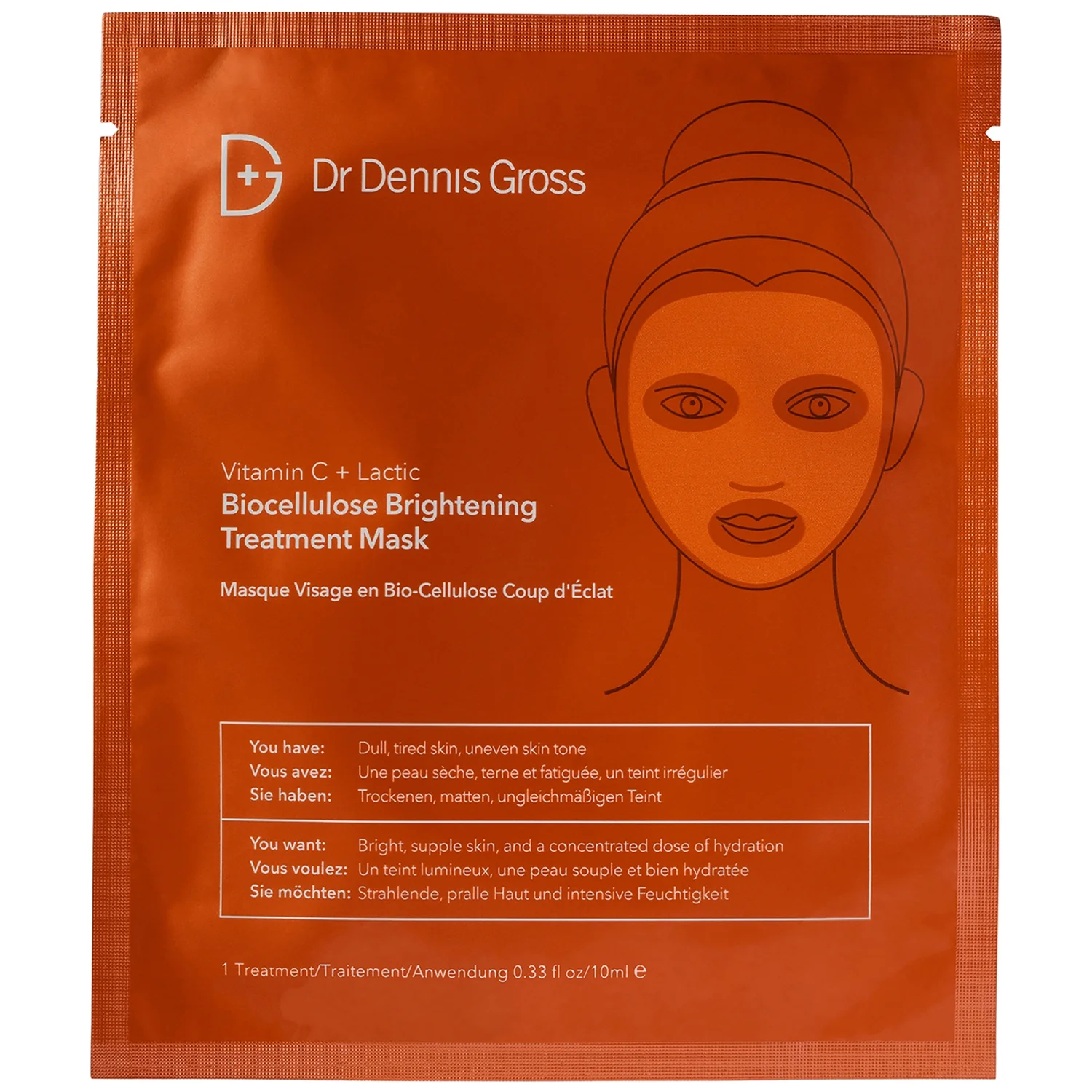 Dr Dennis Gross
 Skincare Vitamin C Lactic Biocellulose Brightening Treatment Mask - 4 Applications 0.35 oz
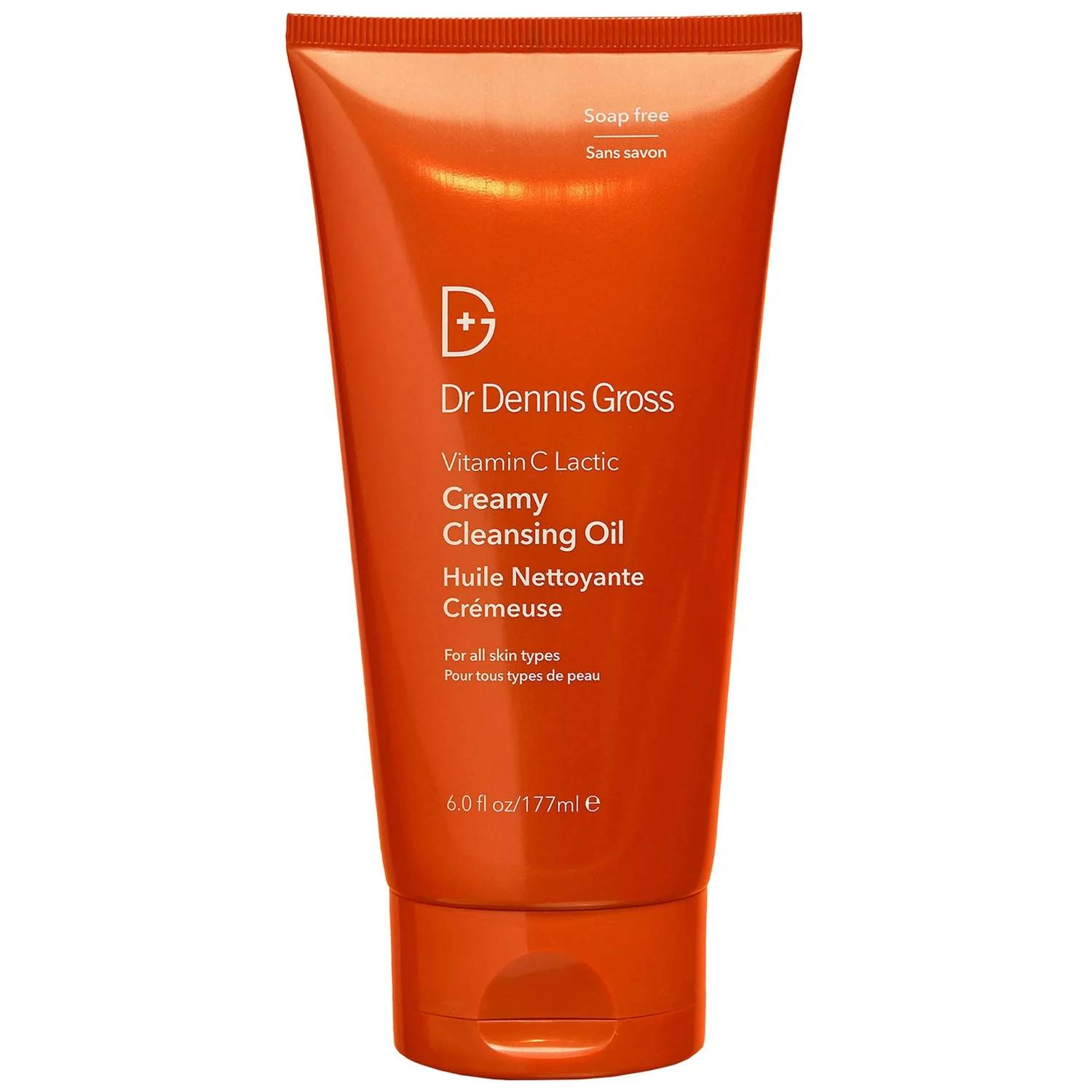 Dr Dennis Gross
 Skincare Vitamin C Lactic Creamy Cleansing Oil 177ml
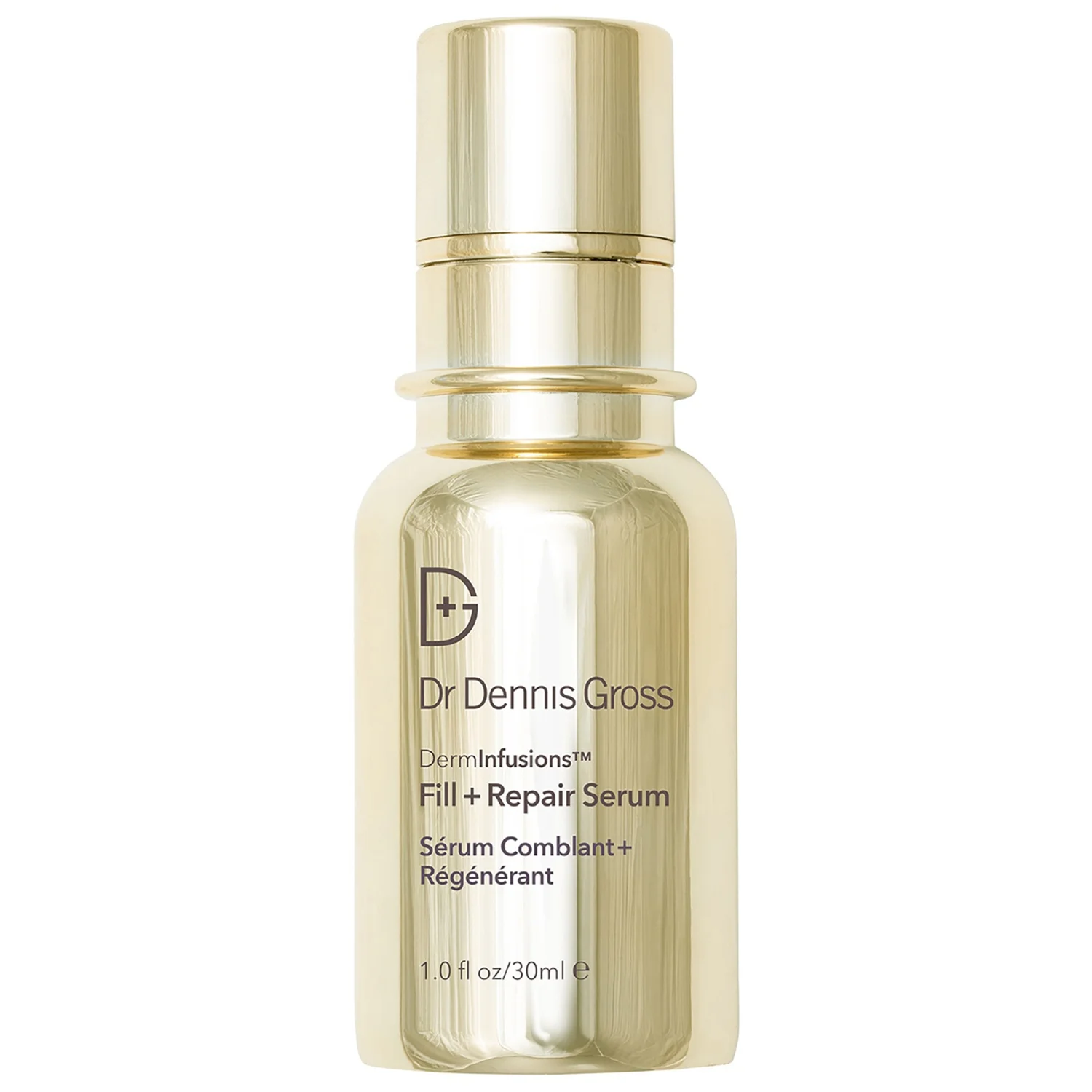 Dr Dennis Gross
 DermInfusions Fill + Repair Serum 30ml
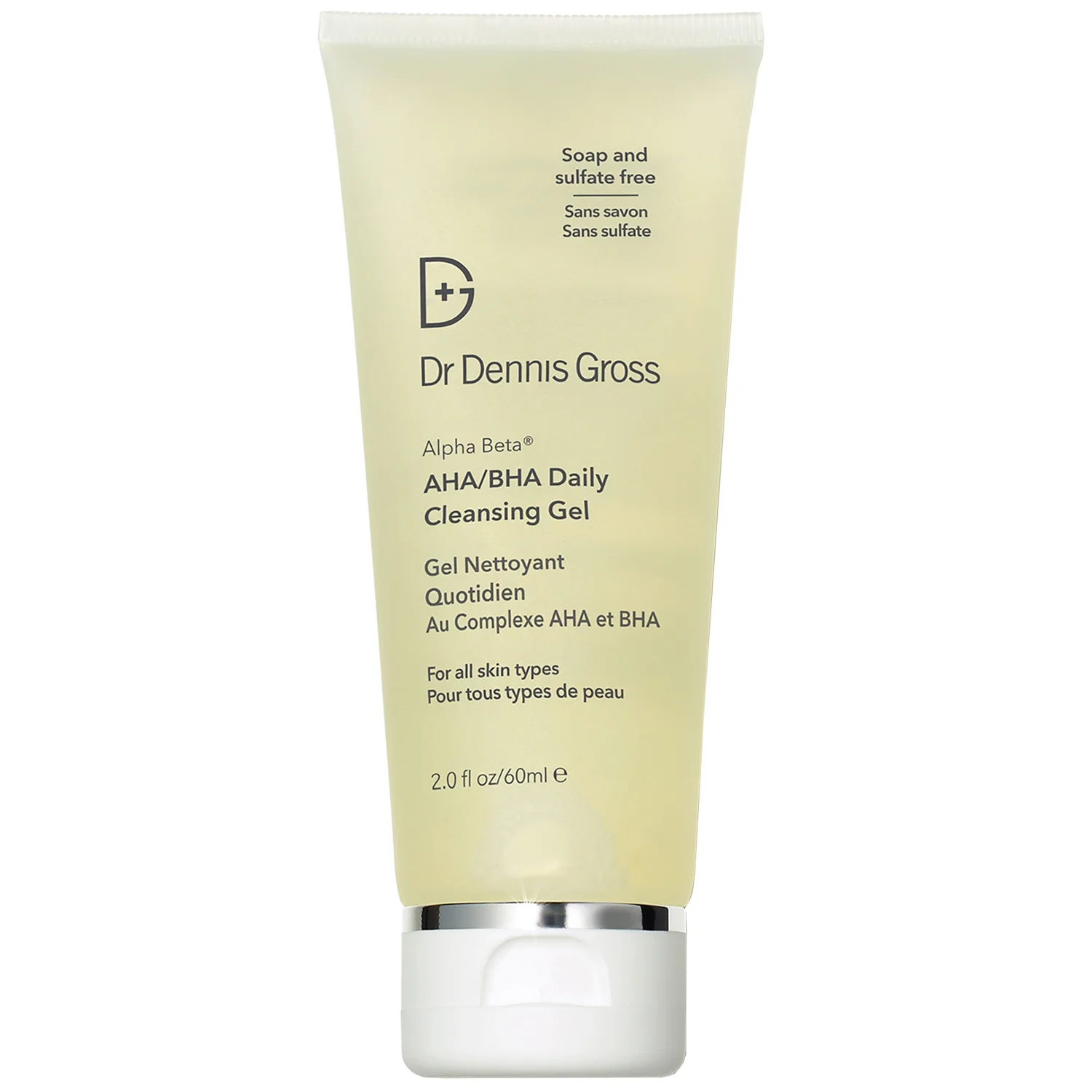 Dr Dennis Gross
 Alpha Beta AHA/BHA Daily Cleansing Gel 2 oz
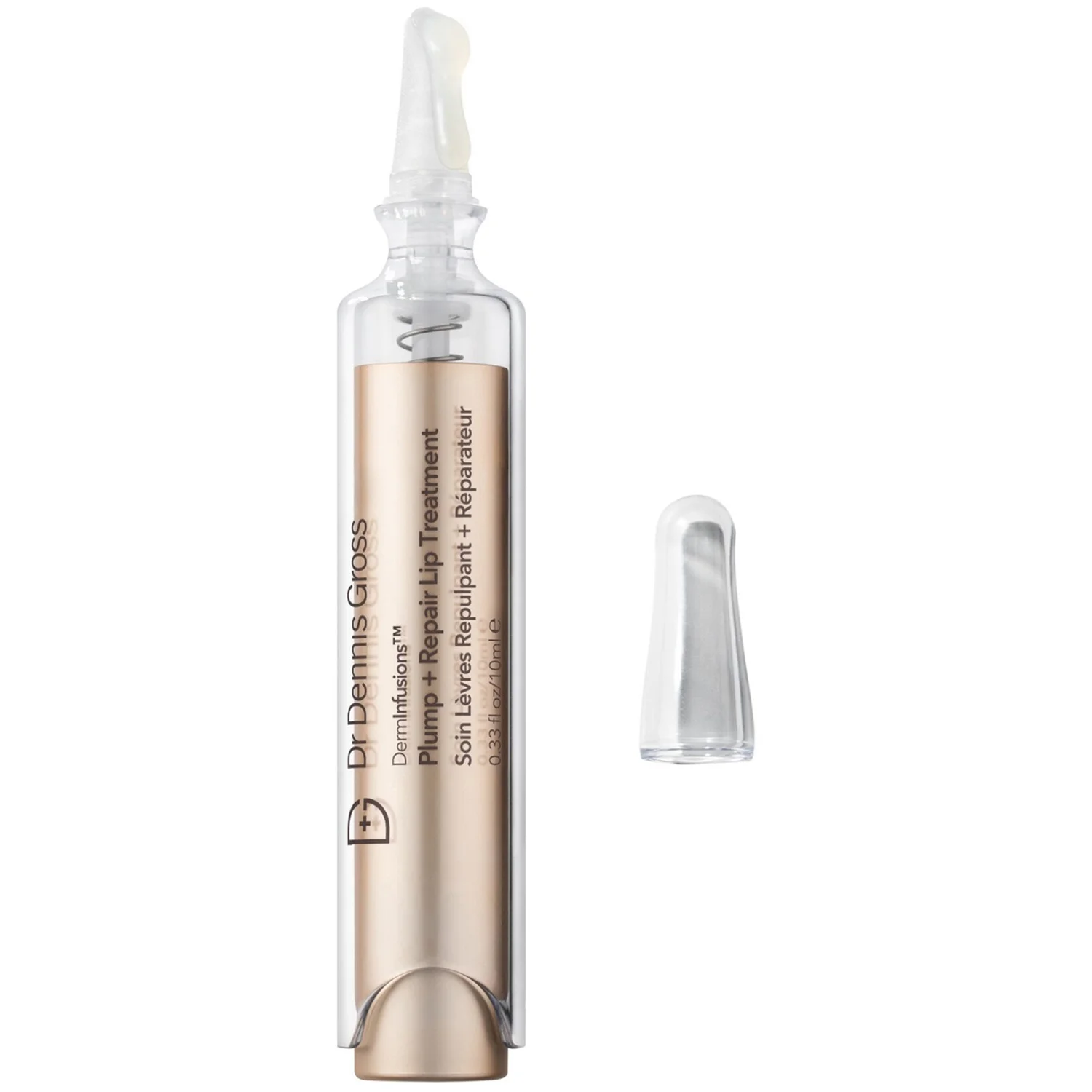 Dr Dennis Gross
 Skincare DermInfusions Plump + Repair Lip Treatment 10ml
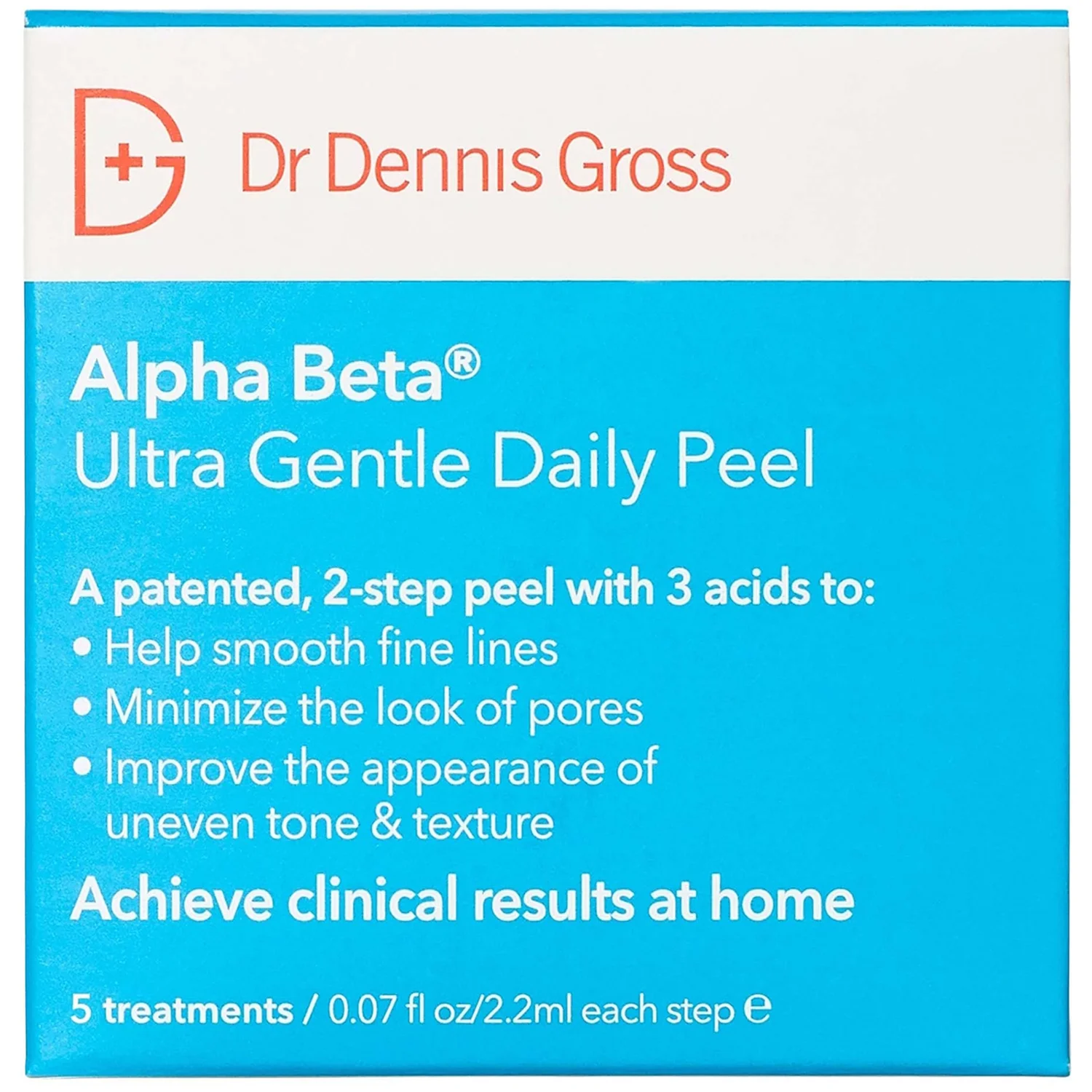 Dr Dennis Gross
 Skincare Alpha Beta Ultra Gentle Daily Peel (Pack of 5)
منتجات أخرى للبشرة أخرى
عرض الكل ←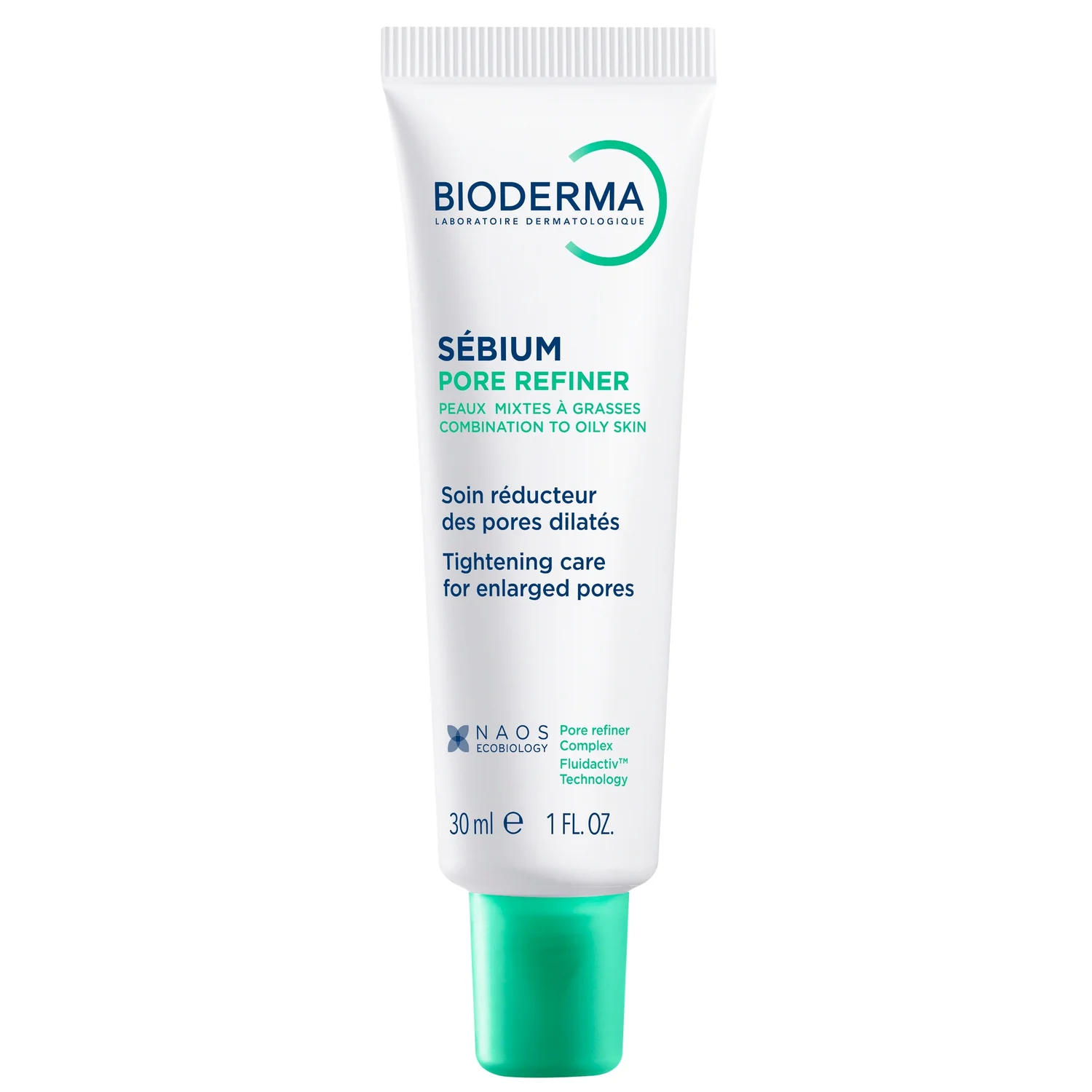 Bioderma
 Sebium Pore Refiner (1 oz.)
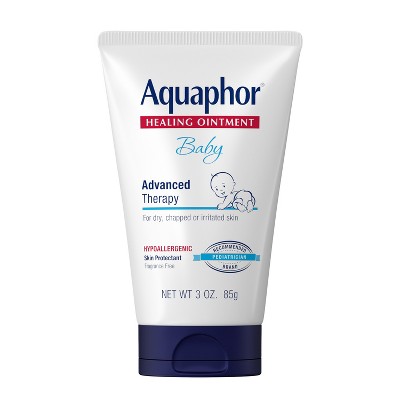 Aquaphor
 Baby Healing Ointment - Advanced Therapy to Help Heal Diaper Rash and Chapped Skin - 3oz. Tube
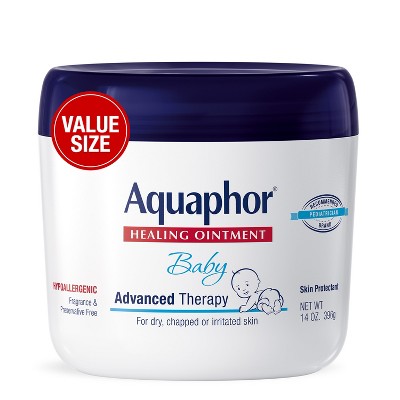 Aquaphor
 Baby Healing Ointment Advanced Therapy Skin Protectant - Dry Skin and Diaper Rash Ointment Jar - 14oz
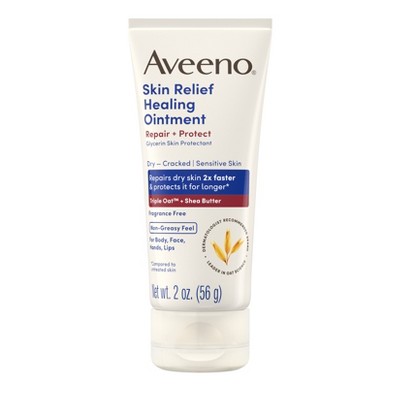 Aveeno
 Skin Relief Healing Ointment for Dry and Cracked Skin - Glycerin - Non-Greasy - Travel Size - 2oz
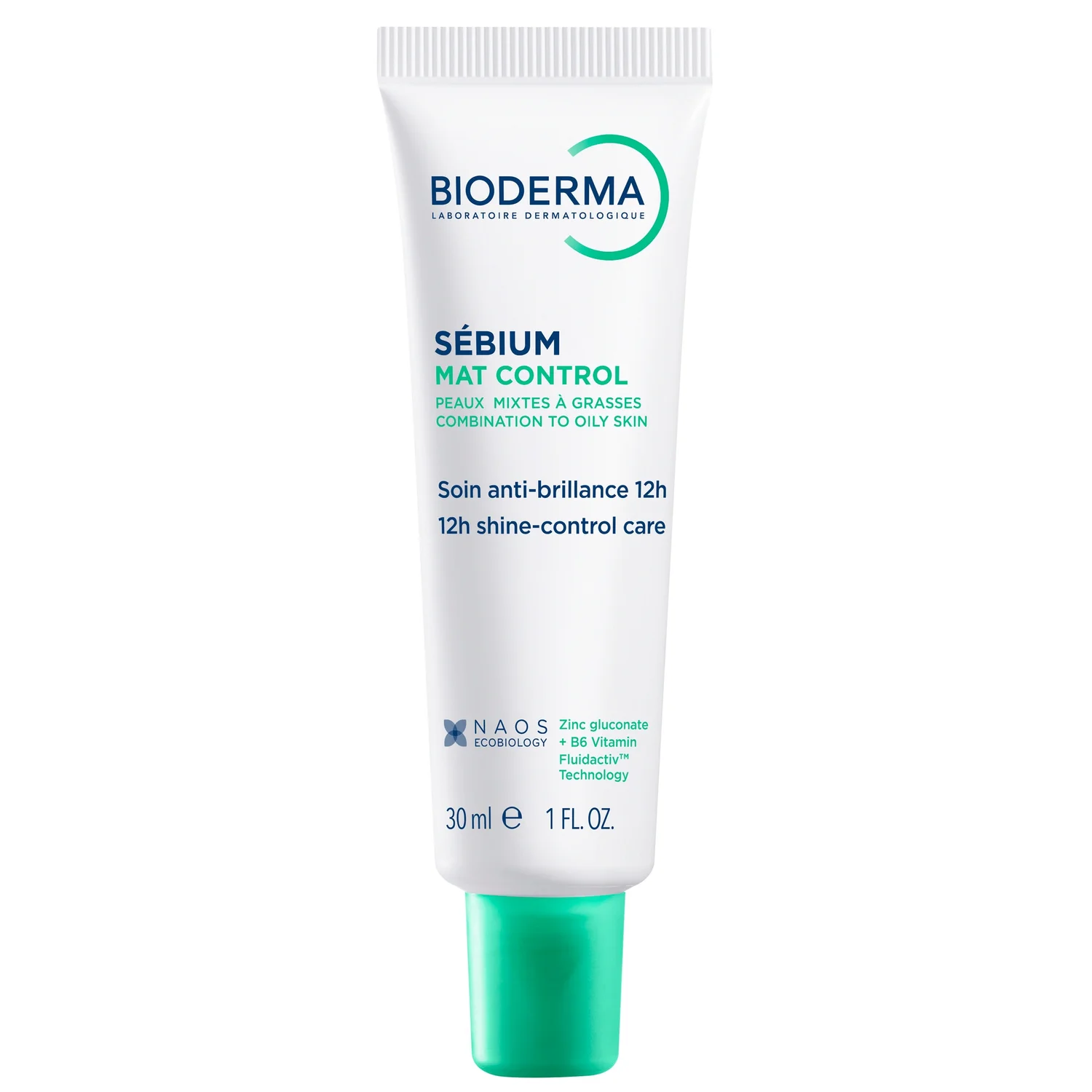 Bioderma
 Sebium Mat Control (1 oz.)
 Neutrogena
Hydro Boost Hyaluronic Acid Water Gel
8 أسئلة سريعة تعطيك نوع بشرتك وروتينًا للصباح والمساء، مع منتجات تناسب ميزانيتك.
أجرِ اختبار البشرة في دقيقة ←