Retinal (retinaldehyde) vs retinol: what it does and who should try it
Retinal (retinaldehyde) is the cosmetic retinoid one step closer to tretinoin than retinol. What the studies show, how to start it, and who should skip it.
هذا الدليل بالإنجليزية حاليًا، والنسخة العربية قادمة.
كتبه فريق Glowpedia · مبني على 5 مصادر طبية · كيف نكتب أدلتنا
في هذه الصفحة
Retinal is having a moment. More and more serums say "retinal" or "retinaldehyde" on the front, often at several strengths, and many are sold as a faster, stronger step up from retinol. Some of that is true. Some of it is marketing. Here is what the research actually supports, and how to use retinal without wrecking your skin barrier.
Quick answer: Retinal (retinaldehyde) is a vitamin A ingredient that sits one step closer to the active form, retinoic acid, than retinol does. One trial found it smoothed wrinkles about as well as a prescription retinoic acid cream, with less irritation. The evidence is limited, so treat it as a promising option, not a miracle. Use it at night, start two or three nights a week, moisturize, and wear sunscreen daily. Do not use it in pregnancy.مستعجل؟ شاهد المنتجات الـ2 التي اخترناها
What retinal is
Retinoids are the family of vitamin A ingredients. Your skin turns retinol into the active form, retinoic acid (also called tretinoin), in two steps:
| Step | What happens |
|---|---|
| Retinol → retinal | First change, made by skin enzymes. This step can also run backwards |
| Retinal → retinoic acid | Second change, one way only. Retinoic acid is the form that acts on skin cells |
A 2019 review on PubMed Central explains this two-step chain. Retinal skips the first step, which is why brands say it works faster than retinol. That makes sense on paper. But head-to-head human trials of retinal against retinol are scarce, so "faster" is mostly a theory.
DermNet notes that retinol and retinaldehyde are the retinoids commonly added to cosmetics, while tretinoin, adapalene and others are medicines. See all of them on the retinoid family page, and products that list it on the retinal page.
What the studies show
The best-known trial is from 1998, in the Journal of the American Academy of Dermatology. 125 people with sun-damaged facial skin used one of three creams:
| Group | People | Result at week 18 |
|---|---|---|
| 0.05% retinaldehyde | 40 | Fewer fine lines, less roughness |
| 0.05% retinoic acid (tretinoin) | 40 | Fewer fine lines, less roughness |
| Plain cream | 45 | No significant change |
At week 44 the gains were still there but smaller. The key difference was comfort: retinaldehyde was well tolerated throughout, while retinoic acid caused more irritation and made it harder for people to keep going.
Not every review is so upbeat. The PubMed Central review says retinal only mildly improves wrinkles and texture, though it is less irritating than retinoic acid. Our honest summary: retinal can help, it is gentler than prescription tretinoin, and there is not enough evidence to call it clearly better than a good retinol.
Retinal vs retinol vs other retinoids
| Ingredient | Where you get it | Strength in practice |
|---|---|---|
| Retinyl palmitate and other esters | Cosmetics | Mildest; needs extra conversion steps |
| Retinol | Cosmetics | Mild to moderate; the most studied cosmetic retinoid |
| Retinal | Cosmetics | One step from the active form; often described as stronger than retinol |
| Adapalene | Over the counter in the US | Designed for acne; a drug, not a cosmetic |
| Tretinoin | Prescription | The active form; strongest and most irritating |
For acne, adapalene has much stronger evidence than retinal. For fine lines and texture, retinal is a reasonable cosmetic choice. The full comparison is in tretinoin vs retinol vs adapalene.
Who retinal suits, and who should skip it
The American Academy of Dermatology says a retinoid product is a good option for mild acne, mild uneven color, or mild fine lines and wrinkles.
Skip it or ask a dermatologist first if:
- your skin is often red or inflamed, or you have rosacea (the AAD advises against retinoids here);
- you have eczema, since DermNet notes retinoids can make it worse;
- you have moderate or severe acne scarring, or acne linked to your periods or other hormone changes;
- you are pregnant, trying to conceive, or breastfeeding.
People with darker skin tones can benefit too, but the AAD warns that irritation can leave dark marks. Go slowly.
How to start retinal, step by step
- Choose the lowest strength you can find. Brands sell retinal in several strengths. The AAD advises starting with the least intense retinoid. Note that many labels do not state the percentage.
- At night only. Cleanse, pat dry, wait a few minutes.
- A pea-sized amount for the whole face. Avoid the eyelids, the corners of the nose and the lips.
- Every other night or less at first. Start two or three nights a week, then build up over a month if your skin is calm.
- Moisturize. A cream with ceramides or niacinamide is a good partner. If you sting easily, put moisturizer on before and after.
- Sunscreen every morning. Retinoids make skin more sensitive to the sun. The AAD suggests a mineral sunscreen with zinc oxide or titanium dioxide if your skin is sensitive.
Expect some dryness or flaking in the first weeks. Small spots in your usual breakout areas can be purging. Burning, swelling or a rash in new places is not.
Moving from retinol to retinal
If you already use retinol nightly without trouble, you can switch to a low-strength retinal. Do not use both on the same night. Drop back to every other night for two weeks after the switch, because retinal may feel stronger.
What not to mix with retinal
| Pairing | Advice |
|---|---|
| Another retinoid (retinol, adapalene, tretinoin) | No. Pick one |
| Glycolic acid, lactic acid, salicylic acid | Not on the same night; alternate nights once your skin is used to both |
| Benzoyl peroxide | Use at a different time of day to limit dryness |
| Scrubs, waxing on treated skin | Avoid |
| Ceramides, niacinamide, hyaluronic acid | Usually fine and soothing |
Alternating active nights is the idea behind skin cycling.
Pregnancy and breastfeeding
The American Academy of Dermatology says retinoids should not be used during pregnancy, including over-the-counter retinol products. Retinal is a retinoid, so the same advice applies. DermNet lists pregnancy as a contraindication for some topical retinoids. If you are breastfeeding, ask your doctor first. Gentler options are in pregnancy-safe skincare, and bakuchiol is a popular plant alternative, though its evidence is also limited.
When to see a dermatologist
- Acne that is painful, cystic or scarring.
- Redness, burning or peeling that does not settle after a week off.
- No change after about three months of steady use, if you want stronger options such as prescription tretinoin.
- A spot or mole that changes, bleeds or will not heal. A retinoid is not the answer to that.
Products to try
جاهز للتجربة؟ ابدأ بمنتج واحد وأضف التالي عندما تعتاد بشرتك أو شعرك عليه. اضغط الزر لترى سعر اليوم والتقييمات على أمازون.

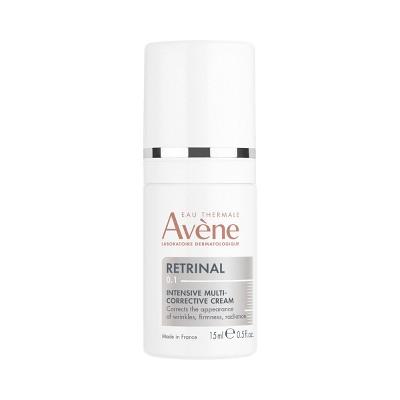
اخترناها من توصيات الخبراء ومحرّري الجمال، ولم نجرّبها بأنفسنا. قد نحصل على عمولة إن اشتريتِ عبر هذه الروابط، دون أي تكلفة إضافية عليك.
FAQ
Is retinal stronger than retinol?
It is one step closer to the active form, so it is generally thought to act faster. Direct human comparisons are rare, so the size of the difference is not well measured.
Is retinal good for beginners?
A low strength can be, especially if used two or three nights a week. Many people still start with a gentle retinol, which has more research behind it.
Can I use retinal every night?
Some people reach nightly use after a few weeks. Build up slowly and step back if your skin flakes or stings.
Can I use retinal with vitamin C?
Yes, at different times. Use vitamin C in the morning and retinal at night.
How long does retinal take to work?
In the 1998 trial, changes in fine lines were measured at 18 weeks. Plan on at least three months before you judge it.
Sources
- Profilometric evaluation of photodamage after topical retinaldehyde and retinoic acid treatment (PubMed, NIH)
- Retinoids: active molecules influencing skin structure formation in cosmetic and dermatological treatments (PubMed Central, NIH)
- Retinoid or retinol? (American Academy of Dermatology)
- Topical retinoids (DermNet)
- Dermatologist-approved pregnancy skin care (American Academy of Dermatology)