How to get rid of acne scars: what works at home and at the dermatologist
How to get rid of acne scars: dark marks vs real scars, what helps at home, and the dermatologist treatments for each scar type (lasers, peels, microneedling, fillers, surgery).
هذا الدليل بالإنجليزية حاليًا، والنسخة العربية قادمة.
كتبه فريق Glowpedia · مبني على 2 مصادر طبية · كيف نكتب أدلتنا
في هذه الصفحة
Many "acne scars" are not scars at all. Flat brown, red or purple marks left after a pimple usually fade on their own over months. True scars change the surface of the skin: they are sunken (pitted) or raised. Knowing which you have tells you what will work.
Quick answer: First get acne under control, because new breakouts make new scars. Flat dark marks fade with time, daily sunscreen and ingredients like azelaic acid, niacinamide, vitamin C or retinoids. Sunken or raised scars need a dermatologist: chemical peels, lasers, microneedling, fillers or small surgery, often combined. At home, retinoids or salicylic acid can make mild scarring less noticeable.مستعجل؟ شاهد المنتجات الـ4 التي اخترناها
Dark marks or scars?
| Dark marks (post-inflammatory) | Acne scars | |
|---|---|---|
| What you see | Flat brown, red or purple spots | Pits, dents, or raised bumps |
| Touch | Smooth | Uneven texture |
| Fade on their own? | Usually, over months | No, though some soften over time |
| What helps | Sunscreen, brightening ingredients | Professional treatment |
Brown marks are more common on darker skin tones. Our guide to dark spots and hyperpigmentation covers them in detail.
Types of acne scars
Sunken (depressed) scars
- Ice pick: narrow, deep holes.
- Boxcar: wider pits with sharp edges.
- Rolling: soft, wave-like dips.
Raised scars
- Hypertrophic: firm, raised scars that stay within the area of the original spot.
- Keloids: grow beyond the original spot; more common in some people and on the chest, back and jaw.
What helps at home
At-home products cannot fill a deep scar, but they help in two ways:
- Fade dark marks so scars look less obvious:
- Daily sunscreen, SPF 30 or higher: UV makes marks darker and slower to fade.
- Azelaic acid, niacinamide, vitamin C, tranexamic acid.
- Smooth mild scarring: the American Academy of Dermatology (AAD) notes that topical retinoids or salicylic acid may make mild scars less noticeable. Results take months.
Skip anything that promises to "erase" scars in days, and do not pick or squeeze spots: that is the main cause of new scars.
Dermatologist treatments by scar type
The AAD lists these options. Most people need a series of sessions, and combining treatments often works best.
| Treatment | Best for | Notes |
|---|---|---|
| Chemical peels | Depressed scars, uneven tone | Mild peels: often 3 to 5 sessions, 2 to 4 weeks apart; needs sun protection |
| Laser resurfacing | Depressed scars | Stimulates new collagen; number of sessions varies by laser |
| Microneedling | Depressed scars | Safe for all skin tones; often combined with radiofrequency, peels or PRP |
| Radiofrequency (with or without microneedling) | Depressed scars | Safe for all skin tones |
| Fillers | Depressed (rolling) scars | Temporary fillers last about 3 months to 2 years |
| Scar surgery or lifting the scar | Deep ice pick and boxcar scars; tethered scars | Often followed by laser or PRP |
| Dermabrasion | Deep resurfacing | Minor surgery under local anesthesia |
| Injections, lasers, prescription creams | Raised (hypertrophic) scars | — |
| Several methods together | Keloids | Keloids can come back |
Microdermabrasion does not treat scars but can even out skin tone alongside other treatments.
Before you start: dermatologists usually treat scars once acne is under control. Tell your dermatologist about every acne treatment you used in the last two years, because some combinations can cause side effects. Scar treatment is usually not covered by medical insurance.
Prevent new scars
- Treat acne early, especially deep, painful spots. Our guide on how to get rid of acne explains the options.
- Do not pick or pop. Hydrocolloid patches help you keep hands off.
- Wear sunscreen daily.
- See a dermatologist if over-the-counter products have not helped after 2 to 3 months, or if spots are deep and painful.
Products to try
جاهز للتجربة؟ ابدأ بمنتج واحد وأضف التالي عندما تعتاد بشرتك أو شعرك عليه. اضغط الزر لترى سعر اليوم والتقييمات على أمازون.
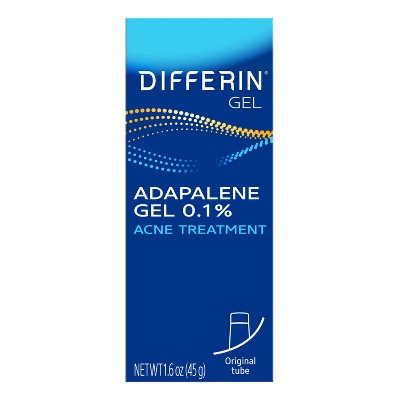
The over-the-counter retinoid for acne. Start every second or third night.
شاهد السعر على أمازون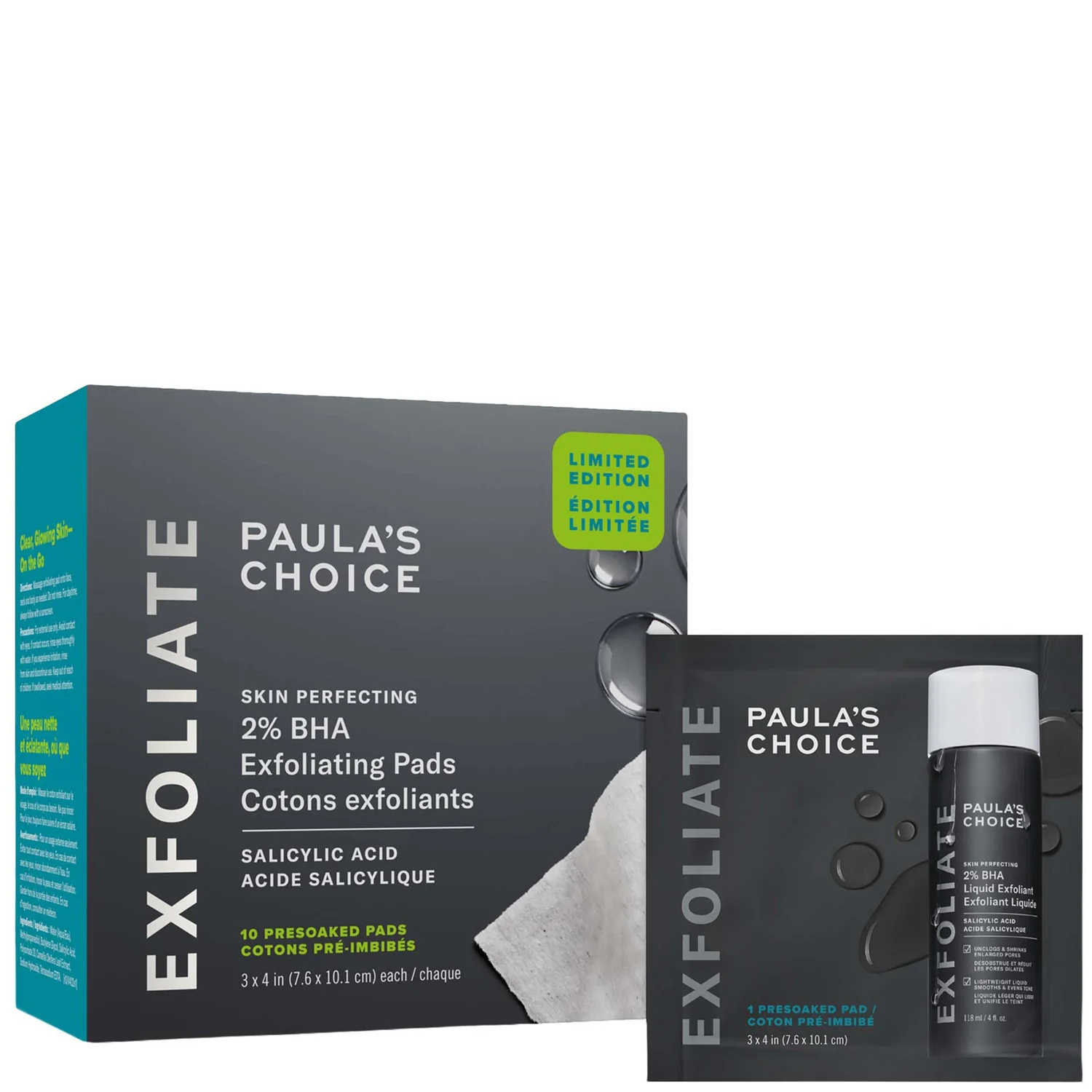
A 2% salicylic acid leave-on liquid for blackheads and clogged pores.
شاهد السعر على أمازونA light, oil-free daily sunscreen with niacinamide.
شاهد السعر على أمازوناخترناها من توصيات الخبراء ومحرّري الجمال، ولم نجرّبها بأنفسنا. قد نحصل على عمولة إن اشتريتِ عبر هذه الروابط، دون أي تكلفة إضافية عليك.
FAQ
Can acne scars go away on their own?
Flat dark marks usually fade over months. Sunken or raised scars usually do not disappear without treatment, although some soften over time.
What is the best treatment for acne scars?
It depends on the scar type. Depressed scars often respond to lasers, microneedling, peels or fillers; raised scars to injections or lasers. A dermatologist can combine them.
Does retinol help acne scars?
It can make mild scarring and dark marks less noticeable over several months. It will not fill deep scars. Not for use in pregnancy.
Do scar creams work on acne scars?
Silicone sheets and gels are mainly used for raised scars from injuries or surgery; see scar tape and silicone sheets. For sunken acne scars, professional treatment works better.
Sources
- Acne scars: diagnosis and treatment (American Academy of Dermatology)
- Acne scars: what's the best treatment? (Mayo Clinic)